

The capital of the Republic of Türkiye, Ankara, has been officially added to UNESCO’s Tentative List of World Heritage Sites, recognising the city’s unique modern architectural heritage and planned urban development.
This milestone increases the total number of Turkish properties on the UNESCO Tentative List to 80.
Prepared collaboratively by the Turkish Ministry of Culture and Tourism and the Turkish National Commission for UNESCO, the application titled “Ankara: The Planning and Building of a Republican Modern Capital City” showcases the capital’s transformation between 1920 and 1970 into a globally significant example of 20th-century urban planning. The file was accepted under UNESCO’s cultural heritage criteria ii, iv, and vi.
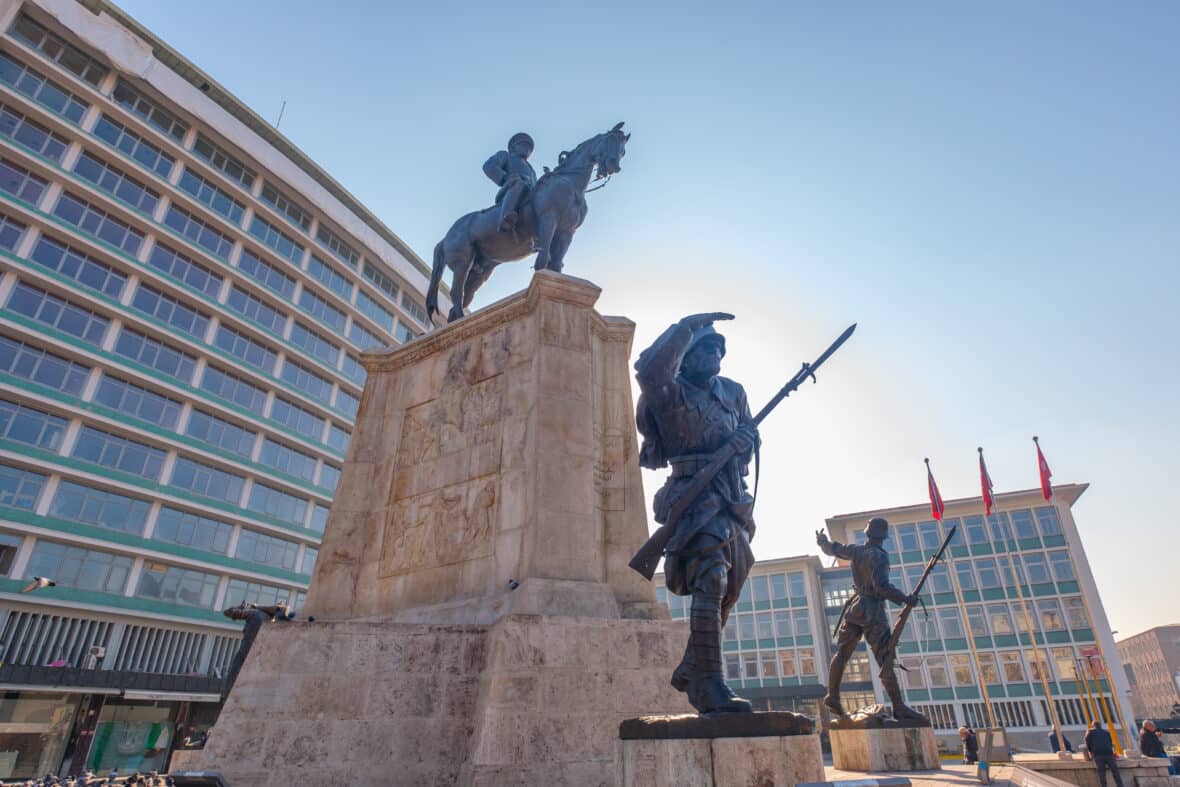
Key elements of the submission include the city’s central axis—Atatürk Boulevard and iconic districts such as Ulus and Kızılay. Notable structures featured in the application include:
- The First, Second, and Third Grand National Assembly buildings
- The Presidential Complex
- Güven Park and Youth Park
- Ulus Square and Kızılay Square
- Ankara Train Station
- İş Bank Building
- Several key ministry buildings
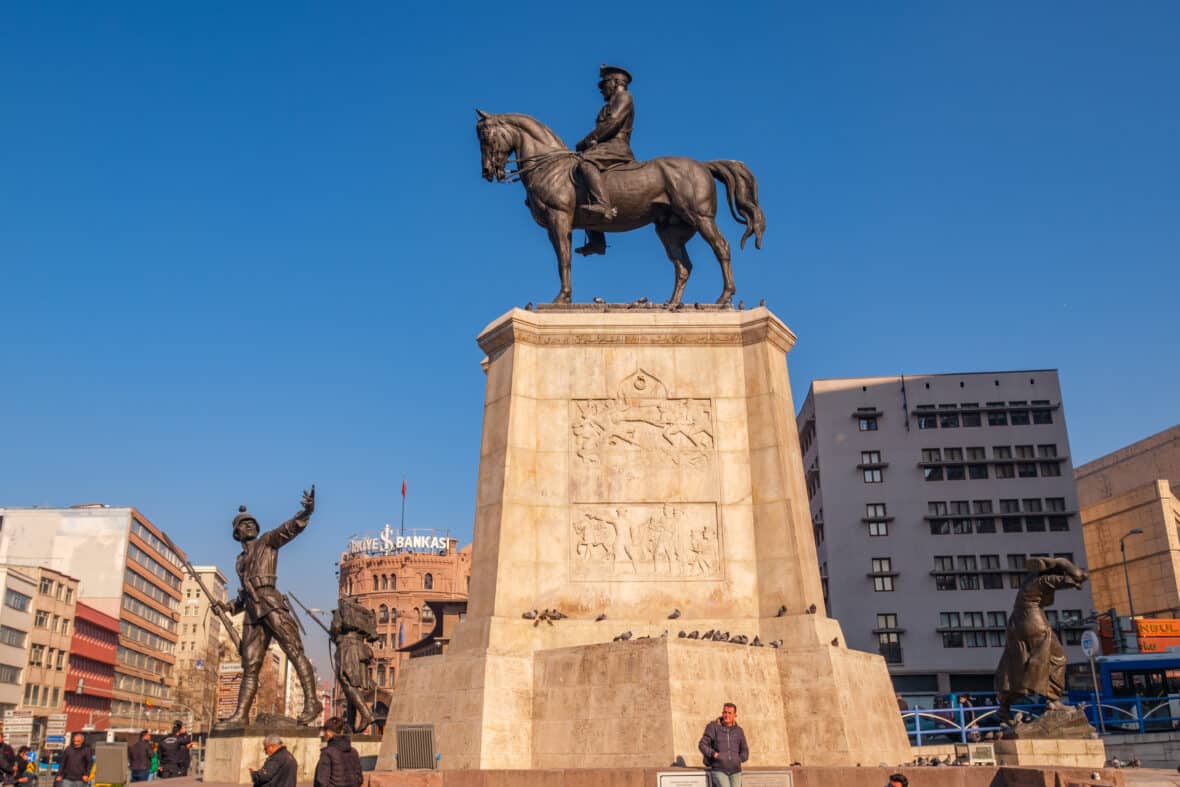
These sites reflect Ankara’s evolution from a small Anatolian town into a symbol of the newly established Republic, underpinned by ideals of democracy, culture, and progress.
Declared the capital on October 13, 1923, shortly after the foundation of the Republic on October 29, Ankara replaced İstanbul as the heart of the nation. Built on the fertile lands of Anatolia, Ankara has been shaped by countless civilisations, including the Hittites, Phrygians, Romans, and Ottomans, offering a rich tapestry of historical layers.
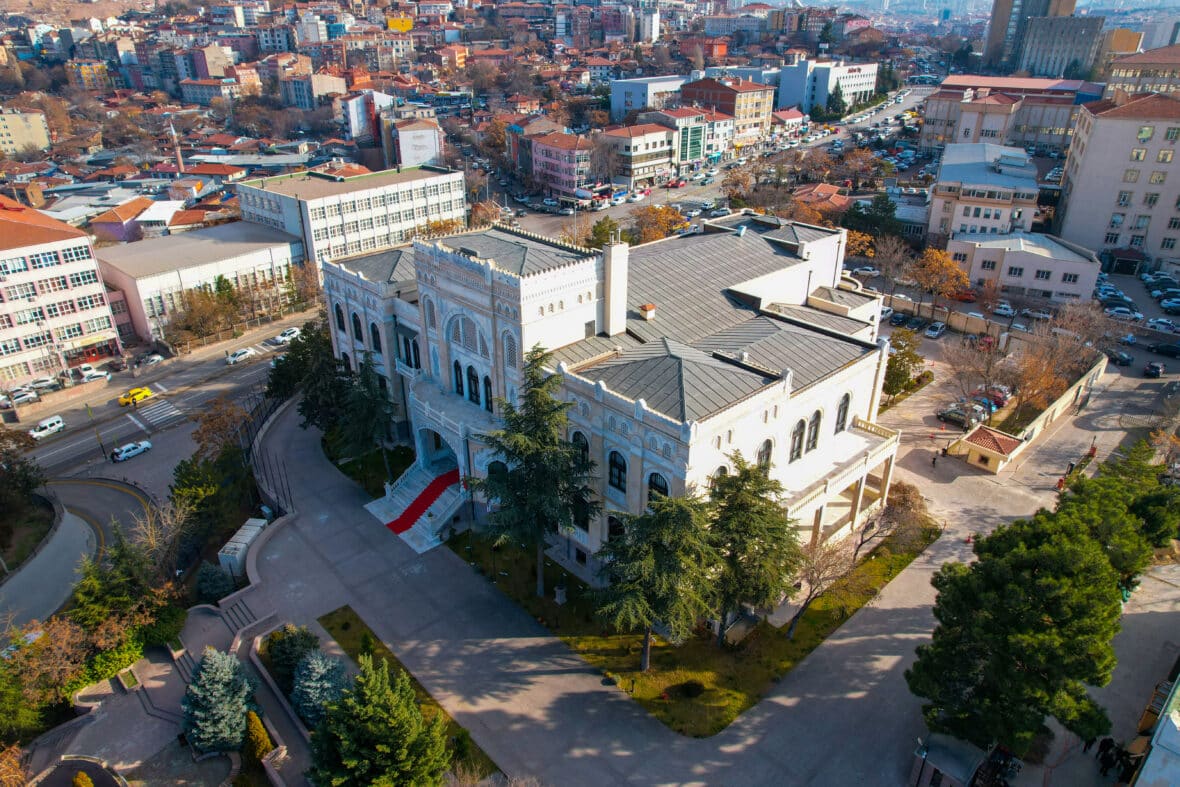
While ancient landmarks such as Gordion, Türkiye’s 20th UNESCO World Heritage Site, reflect the city’s deep historical roots, its modern structures stand as symbols of the Republic’s aspirations. Anıtkabir, the mausoleum of Mustafa Kemal Atatürk, is among Ankara’s most significant monuments. Other culturally vital institutions include:
- The Museum of Anatolian Civilisations (named “Museum of the Year in Europe” in 1997)
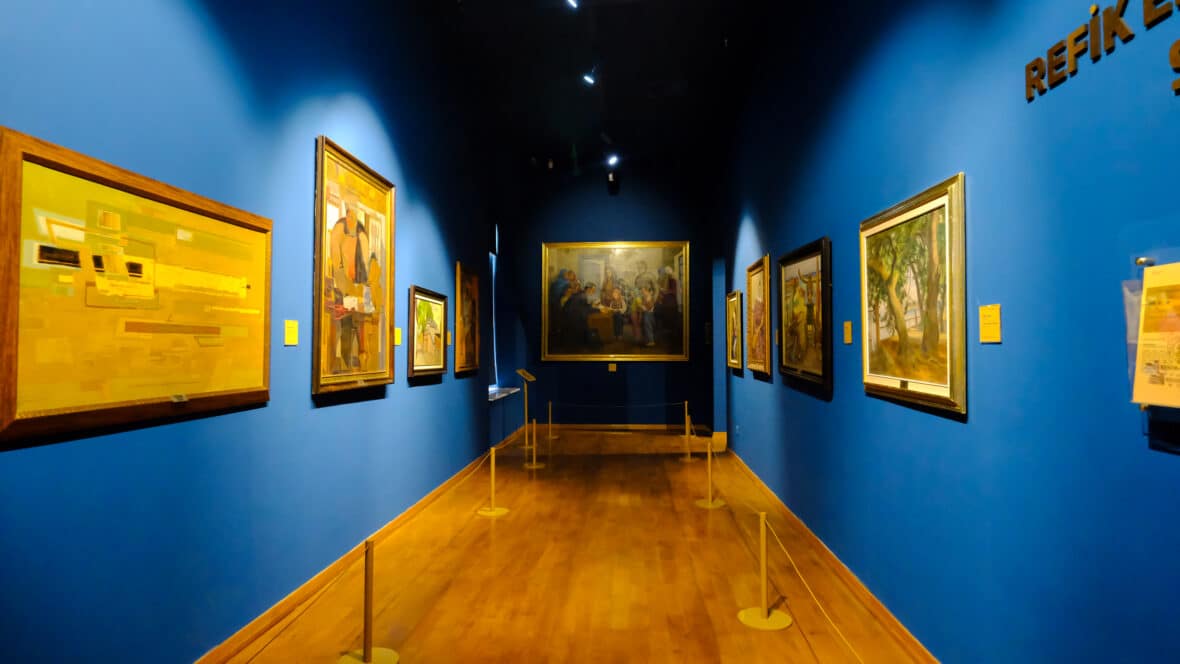
- The Ethnography Museum and Painting and Sculpture Museum
- The Faculty of Language, History, and Geography
- The State Opera and Ballet
- Ankara Radio
Ankara’s candidacy underscores Türkiye’s ongoing efforts to protect and share its cultural and natural heritage with the world. The Ministry of Culture and Tourism continues to engage in international cooperation, particularly through UNESCO, to preserve the country’s legacy for future generations.