


The escalating tensions in the Middle East – following the US attacks on Iran over the weekend – have put many long-haul airlines on high alert; with many already tinkering with their schedules and beginning to weigh up long-term route options.
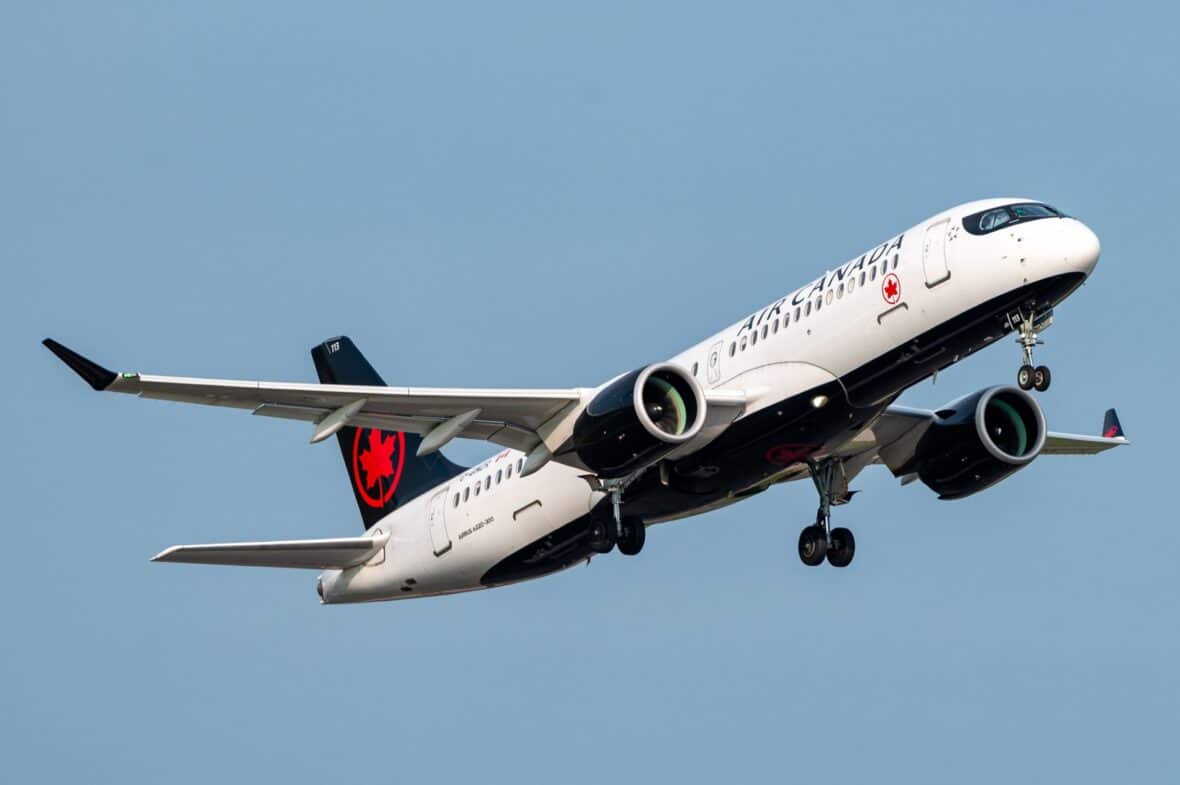
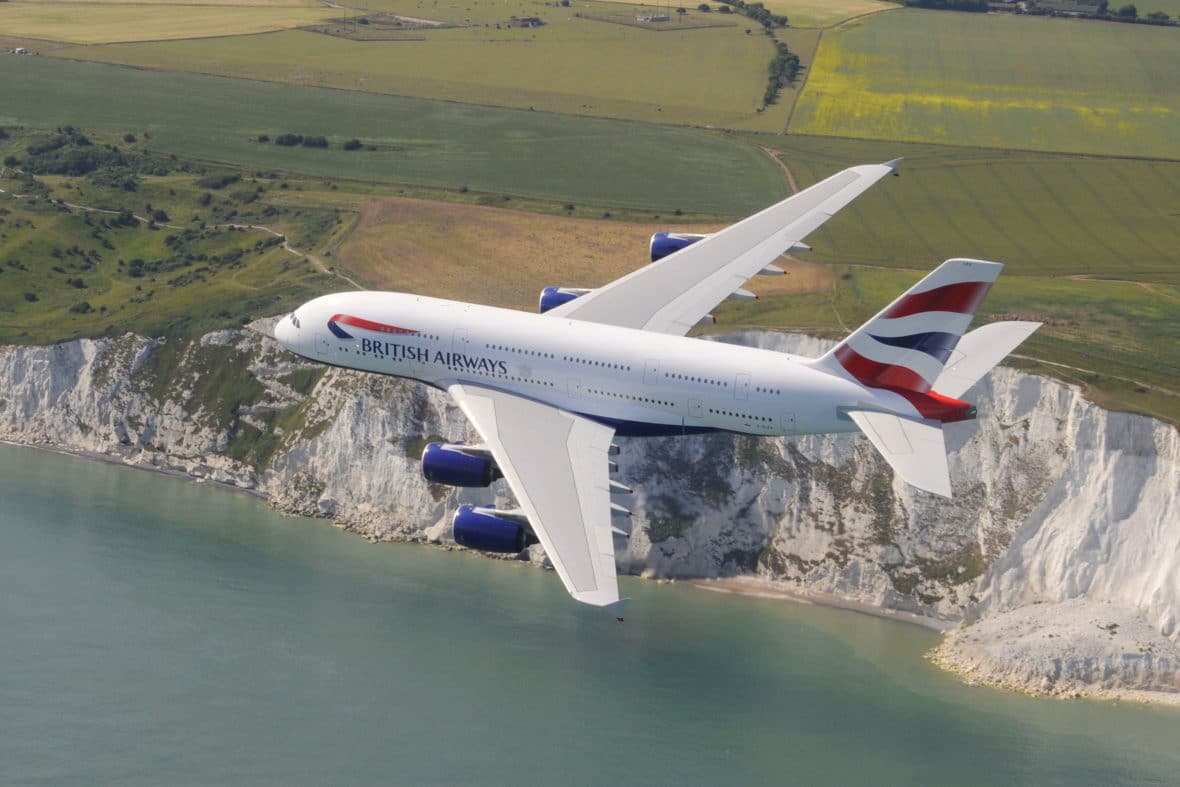
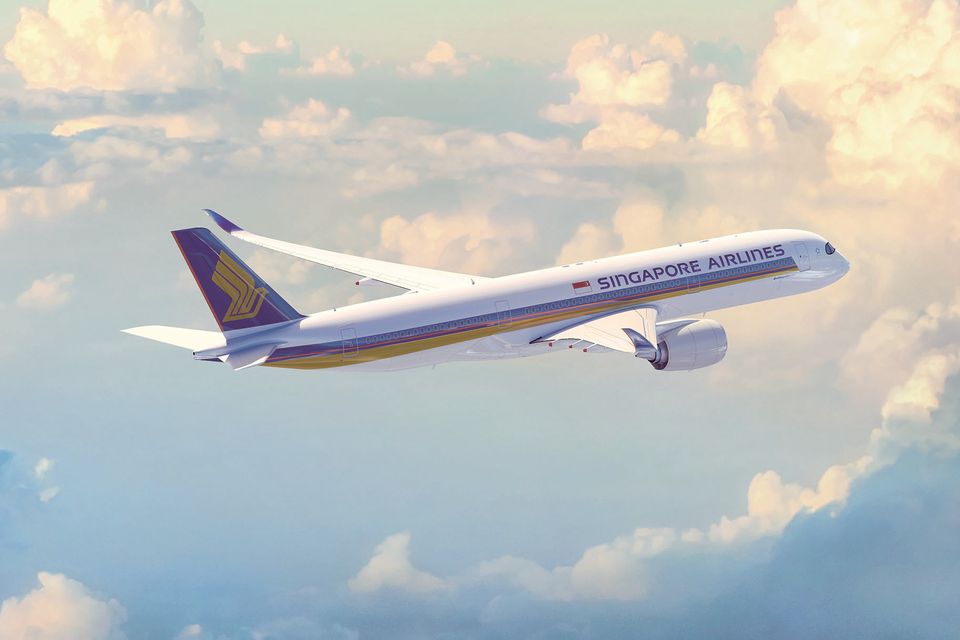
United Airlines and Air Canada have suspended routes to Dubai, while American Airlines has paused flights to Qatar. Over the weekend, Singapore airlines briefly paused flights to Qatar; while British Airways temporarily paused flights to Doha and Dubai and Air France did likewise to Dubai and Riyadh.



One airline described the situation as being “fluid” meaning further disruption is highly likely. Airspace around the eastern Mediterranean across the Iran has largely been empty since Israel attacked Iran 10 days ago, with most airlines diverting, delaying or cancelling flights.
A further knock-on effect to passengers – beyond safety, delays, cancellations and other disruptions – is the long-term effect on air fares; with Middle Eastern routes likely to become longer, as airlines will have to factor in more fuel usage to cover necessary route diversions as air spaces become ever more risky, coupled with the Russia/Ukraine conflict.