
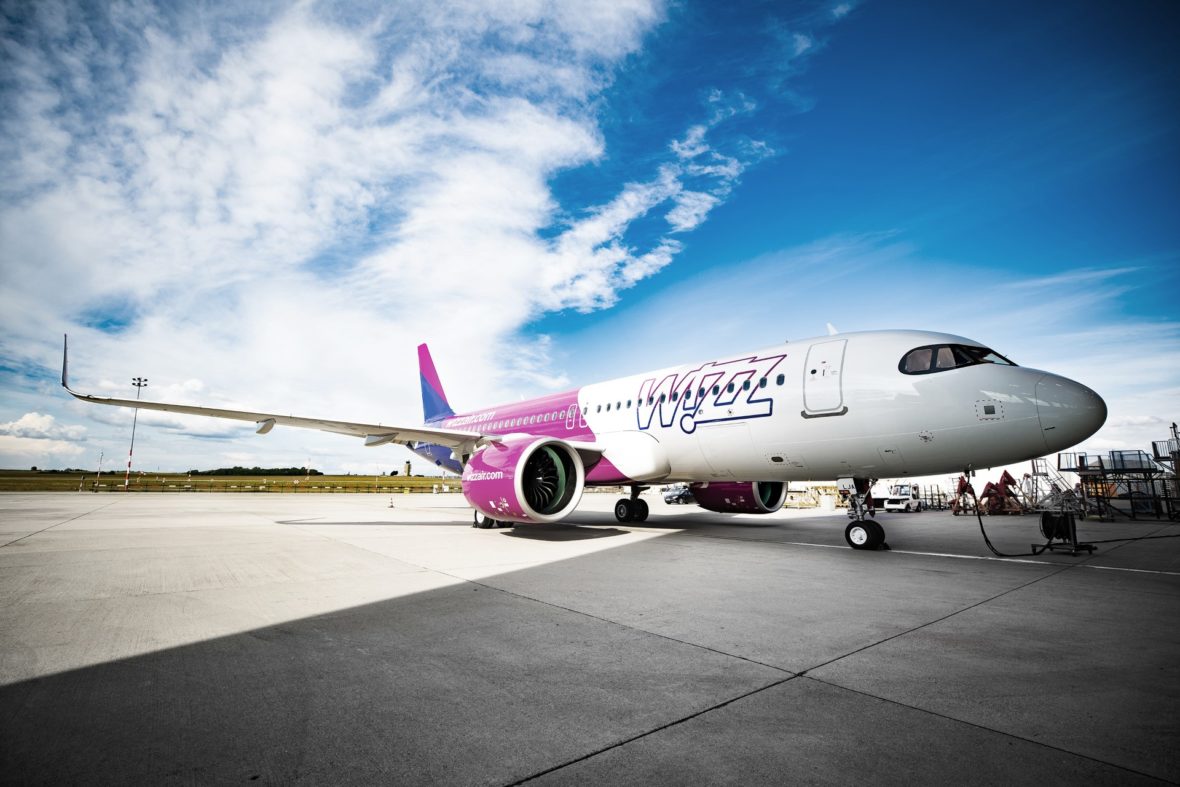
Wizz Air – the Hungarian-based European low fares airline – launched its comprehensive net zero roadmap – Flying Towards Net Zero.
The roadmap offers a realistic path focused on the three F’s – flights (30% emissions reductions from new aircraft technology and fleet renewal), fuel (53% emissions reductions from SAF) and footprint (4% emissions reductions from air traffic management modernisation).
Wizz, as part of its recently announced Customer First Compass initiative, has invested €14 billion to enhance its operations, including investments in the latest technology aircraft and SAF production.
Yvonne Moynihan, Wizz Air Corporate & ESG Officer, says: “Wizz Air supports an ambitious vision for net zero, but the truth is that the current pace of change is not enough, and without radical intervention, aviation will fail to meet its commitments.
“Achieving a net zero roadmap is fraught with uncertainties. The most significant challenges extend beyond scientific issues and encompass policy decisions, investment strategies, market dynamics, and the timely implementation of essential measures. Scientific advancements also encounter obstacles related to cost, infrastructure, and regulatory approval.
“We need action, not just ambition. That’s why we’re calling on governments, regulators, and the fuel industry to wake up to the reality of aviation’s transition and start delivering the changes that will make net zero possible. Aviation needs a policy and investment revolution to shape the industry’s path.
“Flights. Fuel. Footprint. This is our commitment. This is our journey. This is how we fly towards net zero”.
Flying Towards Net Zero reflects the long-term climate goals set by the International Civil Aviation Organisation (ICAO) aspiring to achieve net zero carbon emissions from international aviation by 2050. However, this aspiration is heavily reliant on the industrialization of technology, which has not occurred to date. Wizz Air’s plan addresses these realities head-on.
Wizz Air has the lowest emissions intensity per passenger kilometre of any airline globally, and a target to reduction emissions by 25% by 2030. Wizz Air also operates the youngest, most fuel-efficient fleet in Europe.
The plan is anchored by five fundamental pillars that support the airline’s roadmap:
• 53% decarbonisation through the increased use of SAF
• 21% decarbonisation through technological advancements in aircraft and engine technology.
• 7% decarbonisation through fleet renewal
• 4% decarbonisation through air traffic reform
• 2% decarbonisation through operational efficiencies
Compared to competitors, the airline has put greater emphasis on SAF and new aircraft technologies as critical decarbonisation levers, rather than unproven technologies and offsetting.