

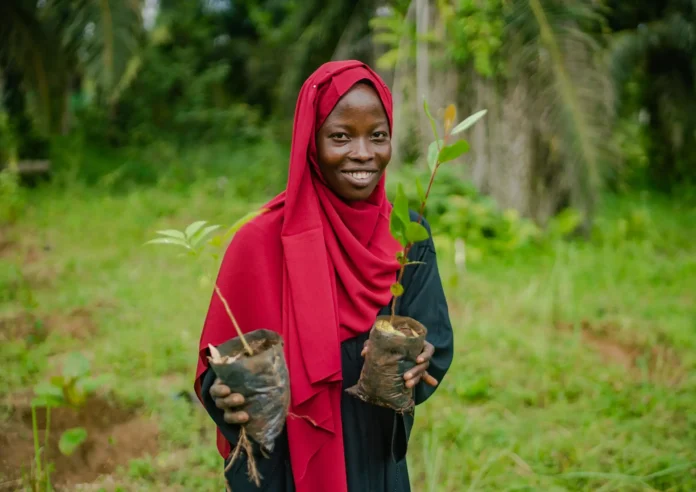
Masingini Forest National Park, located just eight kilometres from the UNESCO World Heritage Site of Stone Town, Zanzibar, is a critical ecological area and a key source of groundwater for the island’s capital. The forest is home to a wide range of plant and animal species, including the Zanzibar Red Colobus monkey, which is classified as endangered. Rapid population growth and expanding urban development have led to deforestation and land degradation around the park, placing increasing pressure on this fragile ecosystem. Whilst tourism brings economic opportunities to Zanzibar, it also heightens the need for responsible land use and conservation. Building on the achievements of the project’s first phase, TUI Forest Zanzibar, in partnership with Kawa Foundation, has entered a second phase to extend conservation activities, strengthen community involvement and enhance the long-term sustainability of the forest.
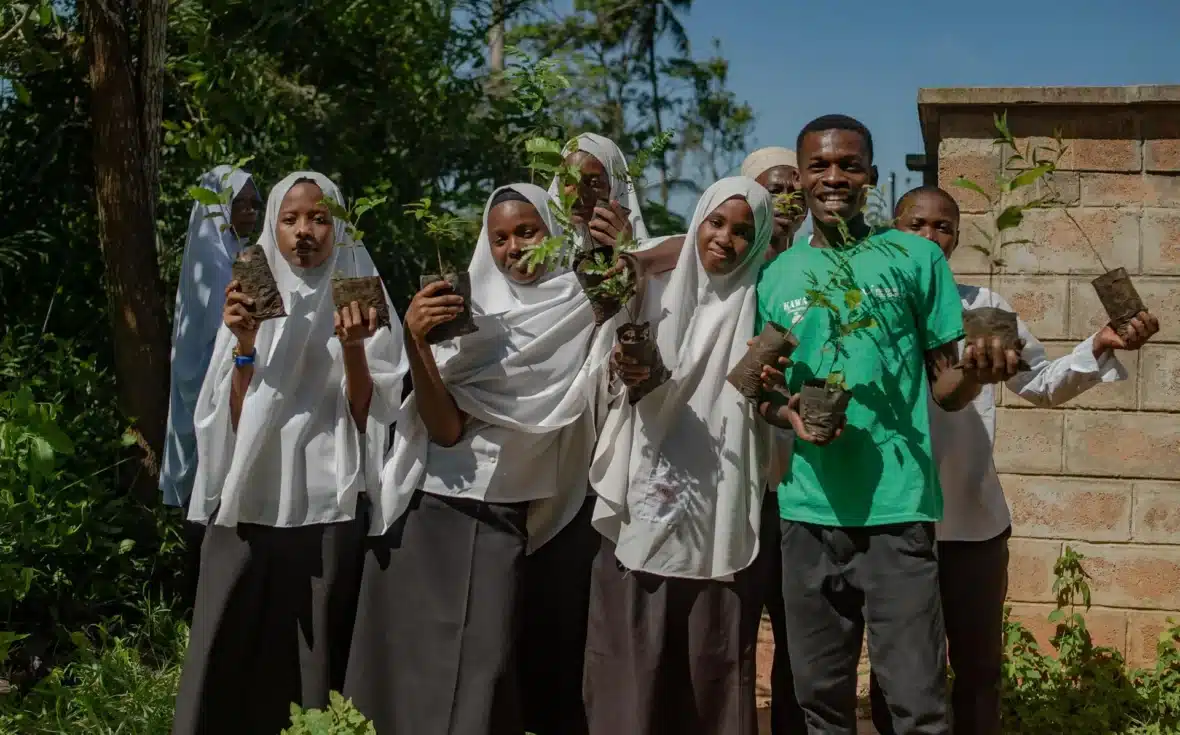
TUI Forest Zanzibar was launched to create a protective buffer zone between Masingini Forest National Park and surrounding residential areas. During its first phase, the project restored degraded land by planting 63,400 trees, establishing and maintaining a tree nursery and creating an outdoor classroom for environmental education. More than 500 people participated in restoration and conservation activities, which actively engage local communities and schools. These measures laid the foundation for improved biodiversity protection and raised awareness amongst schoolchildren and communities about the importance of forests for climate, water security and livelihoods.
In its second phase, the project significantly scales up its activities. More than 67,000 native trees will be planted with a continued focus on species that support biodiversity, including endangered and medicinal plants. A movable irrigation system will be introduced to improve seedling survival during the dry season. In collaboration with the Zanzibar Forestry Department, tree planting will mainly take place within Masingini Forest, complemented by a Forest Awareness Programme. Directly engaging more than 700 secondary school students in conservation education, the programme will plant 7,200 trees at school, in students’ home gardens and in the forest itself.
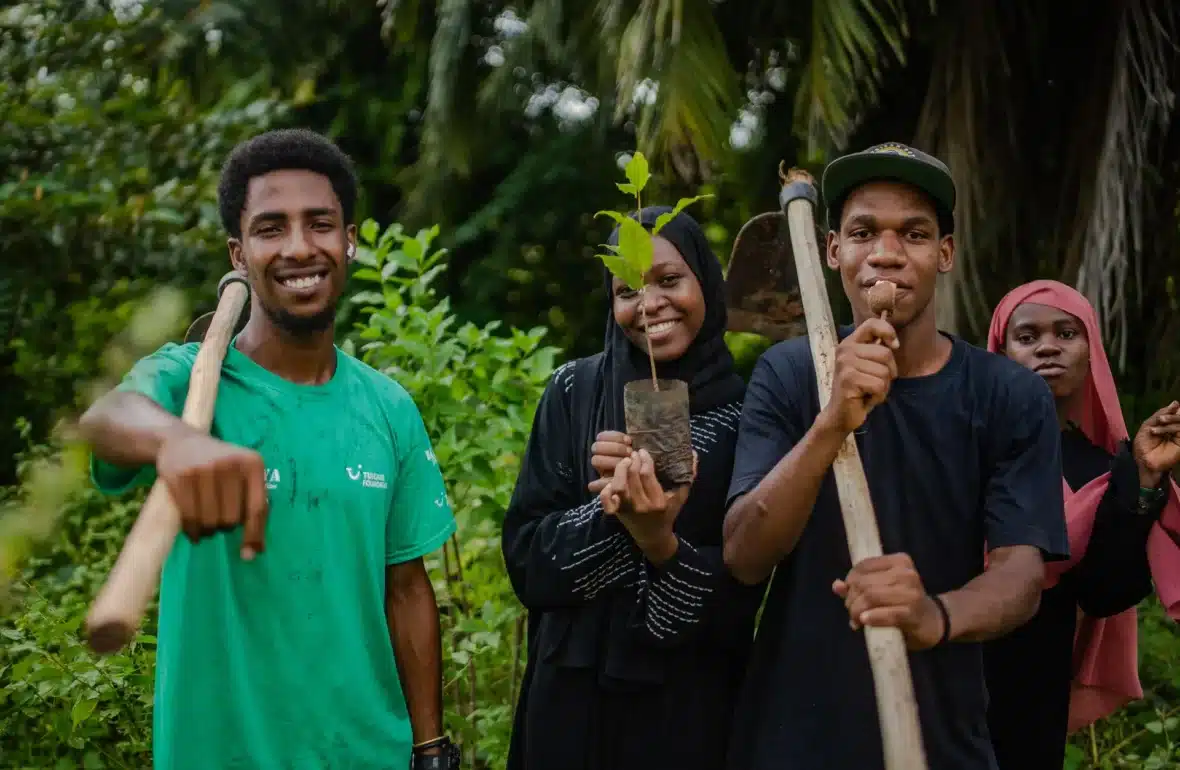
Strengthening forest protection remains a central component of the project. A Forest Protection Unit will involve community members from 13 communities surrounding the project. They will be trained to patrol forest boundaries, which cover 55,500 square metres, and help prevent poaching and illegal activities. The project also supports 13 local communities to develop sustainable crafts and souvenirs from natural materials and provides training in product development and marketing.
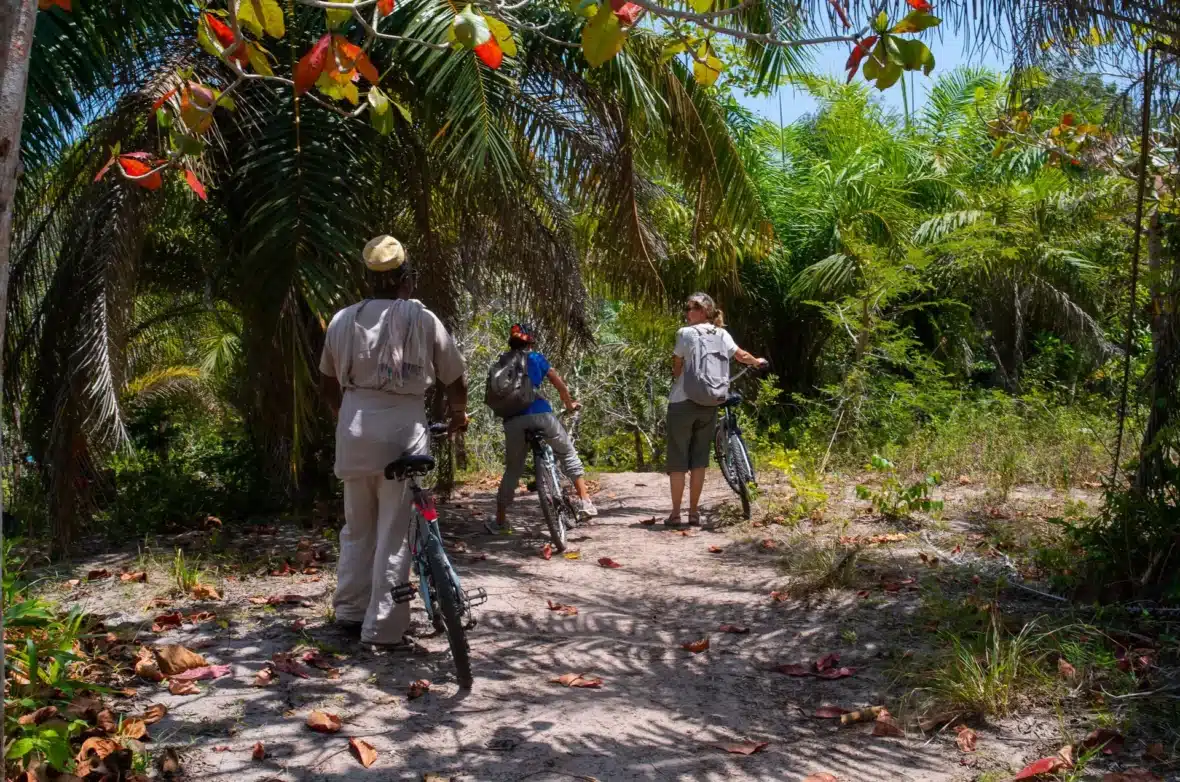
At the same time, TUI Forest Zanzibar promotes eco and community-based tourism by developing nature-based activities, including walking trails, cycling routes and guided community tours. These initiatives highlight local culture and natural heritage whilst also creating additional income opportunities and reducing pressure on the forest.
The TUI Care Foundation’s ‘Forest February’ is a month of activities dedicated to reforestation. Through a series of project launches and educational activities, it emphasises the importance of community-managed reforestation solutions and sustainable agro-forestry tourism practices to safeguard forest ecosystems for local communities and generations to come.