
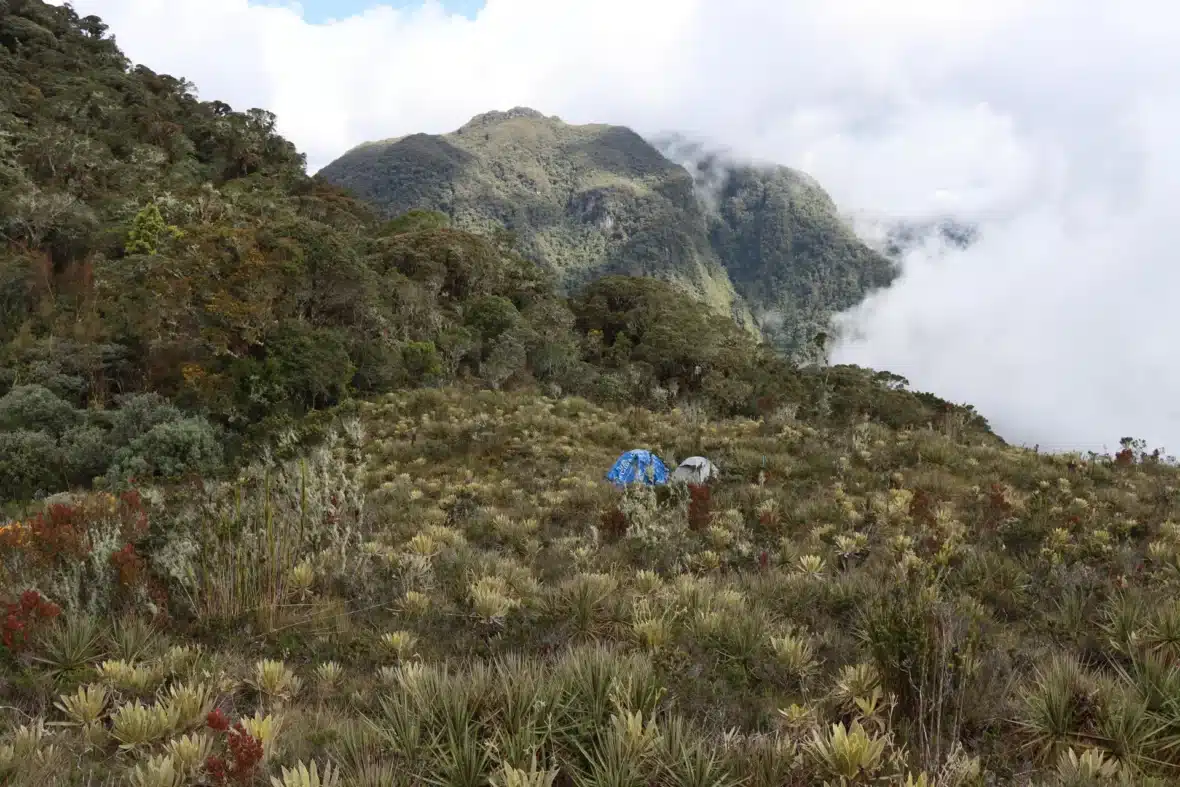
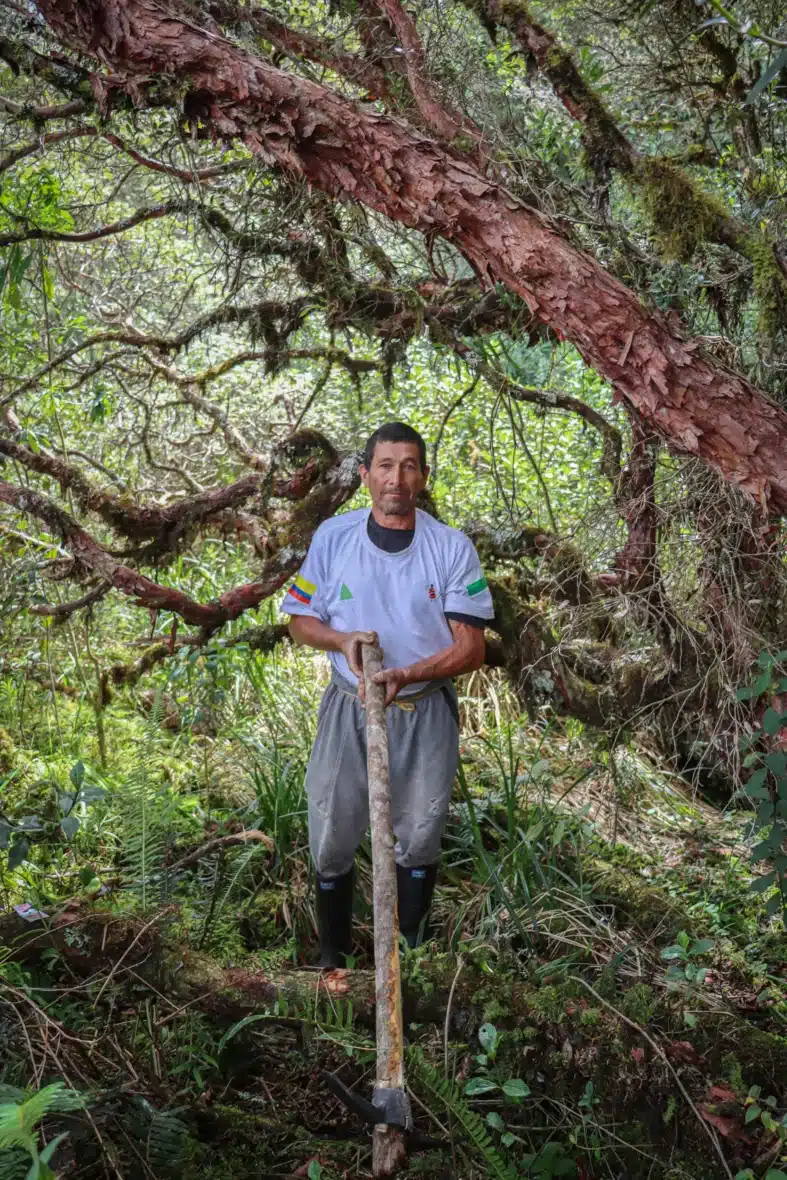
The Andes mountain range is one of the most biodiverse regions in the world. But it’s facing severe degradation due to deforestation and forest fragmentation. In the southeast of Colombia’s Antioquia region, the municipality of Urrao is located at an altitude of 1800 meters, and is home to the remaining high Andean Forest fragments, where a rare species of Polylepis tree grows. The area is also known for its rare animal species including the spectacled bear, the only bear species native to South America. Rural mountain communities – predominantly from the Paisa culture and traditionally reliant on coffee and cacao farming, with tourism now playing a growing role – are facing increasing pressures as land degradation makes their territory more vulnerable to fires and undermines water security.
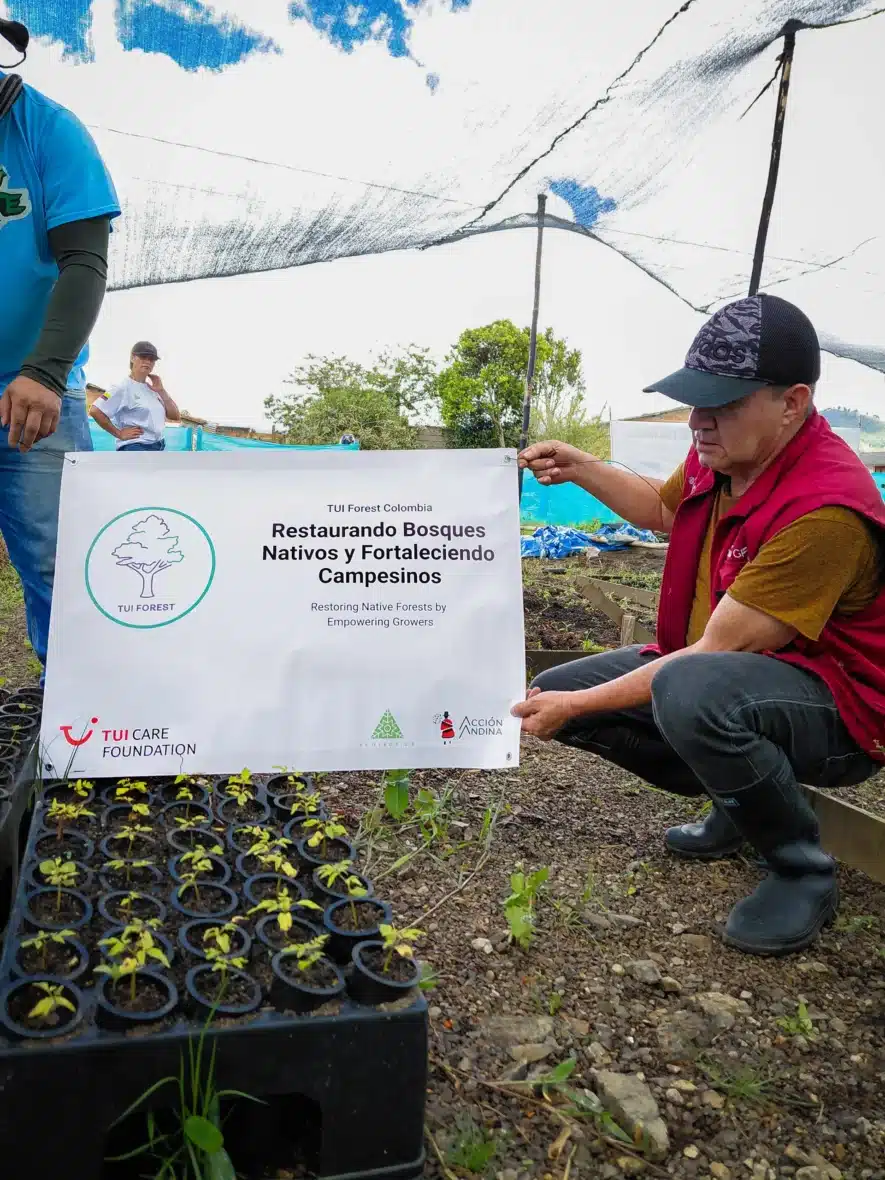
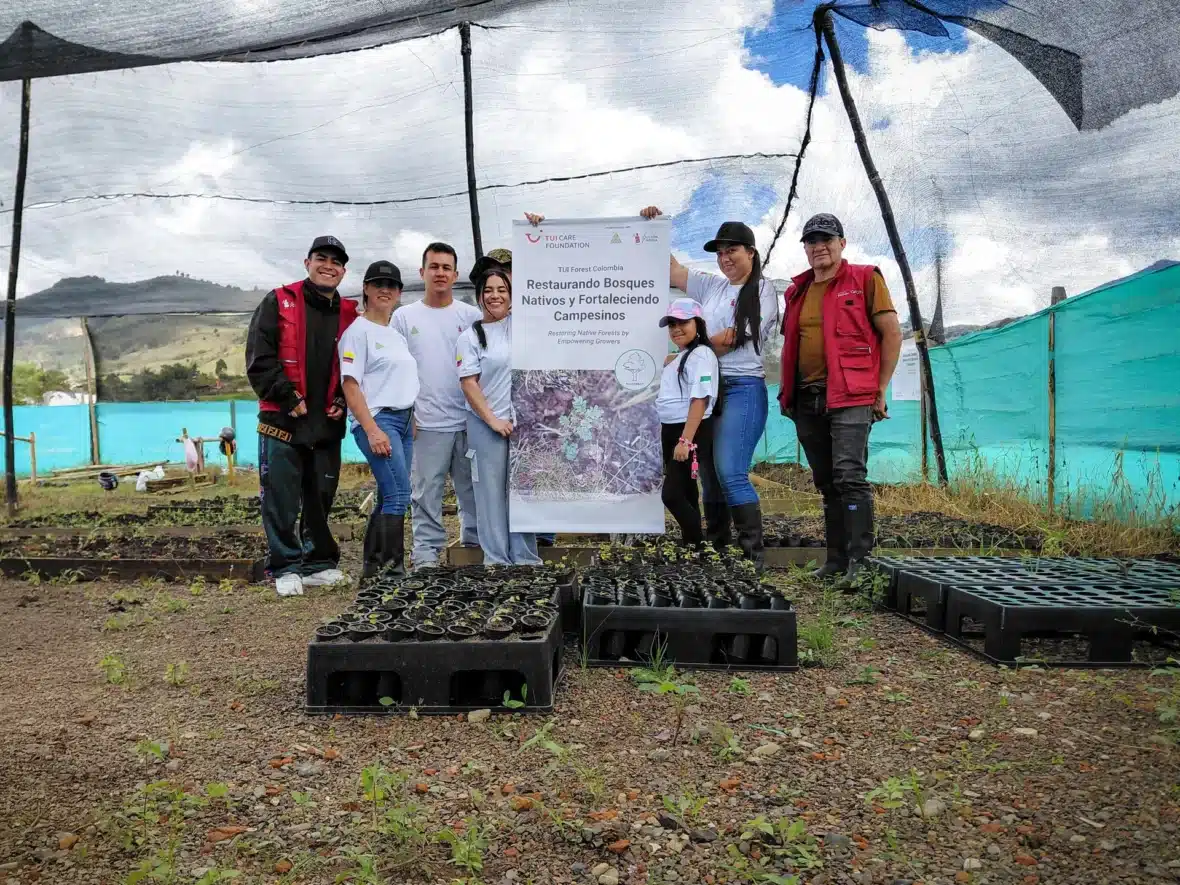
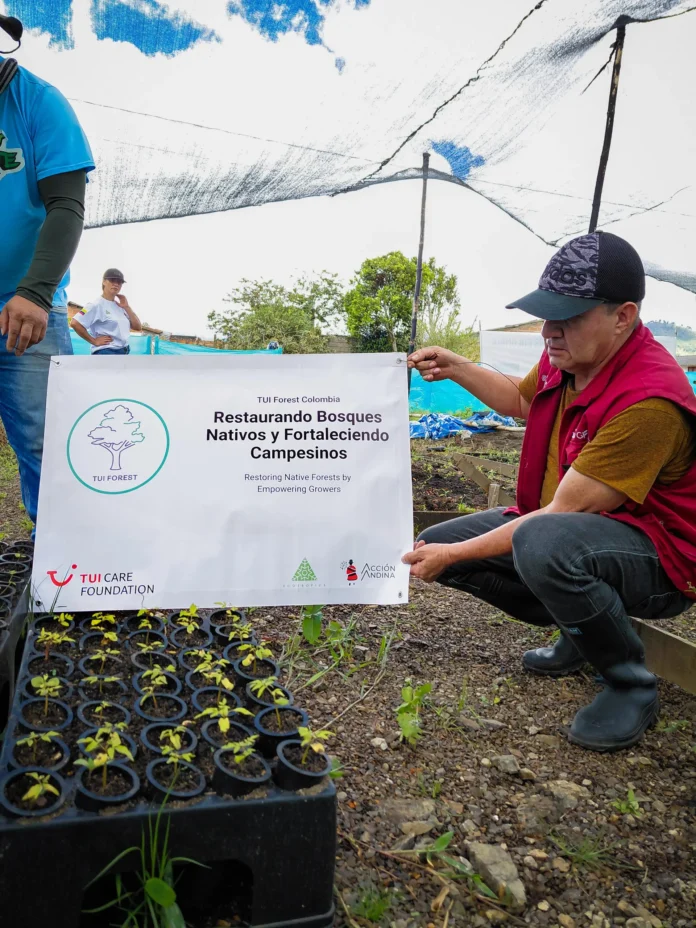
To address these challenges, the TUI Care Foundation has launched TUI Forest Colombia, a three-year initiative that blends native reforestation with agroforestry to protect local ecosystems and support local farming communities. In partnership with Global Forest Generation, Asociación Ecosistemas Andinas (ECOAN) and Ecotropics, the project aims to restore 112 hectares of degraded high Andean Forest through the planting of 123,000 trees. Agroforestry mixes typical agricultural products such as coffee, cacao and vanilla with native shrubs and trees that provide shade, improve soil quality, create habitat for biodiversity, and retain water so that land stays fertile and productive for farmers. This approach allows conservation of standing forests whilst providing sustainable income for farming families. The restored area will also be weeded, fenced and irrigated as needed for the purpose.
A key component of the project is the construction of a nursery for 30,000 trees which will serve as both a production facility and an educational centre for local communities and visitors. Three species will be planted, including the rare Polylepis frontinensis, which are all native to the region and highly productive in terms of carbon capture – and therefore crucial for ecosystem restoration.
The project will also have a positive impact on endemic animals by protecting and restoring a biodiversity corridor of approximately 60,000 hectares. TUI Forest Colombia is home to four endangered animal species that are being monitored in the area, including the spectacled bear, the cougar, the jaguar and the ocelot.
The project will directly benefit 150 families in Urrao. Twenty families will immediately benefit through employment in nursery construction and management, with a further 100 part-time and 17 full-time jobs created across the three-year period. Training workshops in plant propagation, sustainable agriculture and forest management will be held throughout each year, with 400 community members expected to participate in restoration and conservation activities.
An innovative aspect of the project is the development of nature-based tourism experiences that connect visitors to restoration activities. The nursery will feature an awareness centre providing educational information about the project, whilst nature trails and bird-watching opportunities will offer visitors meaningful engagement with conservation work. Environmental education will be central to the project’s approach, with workshops planned for local communities and schools.
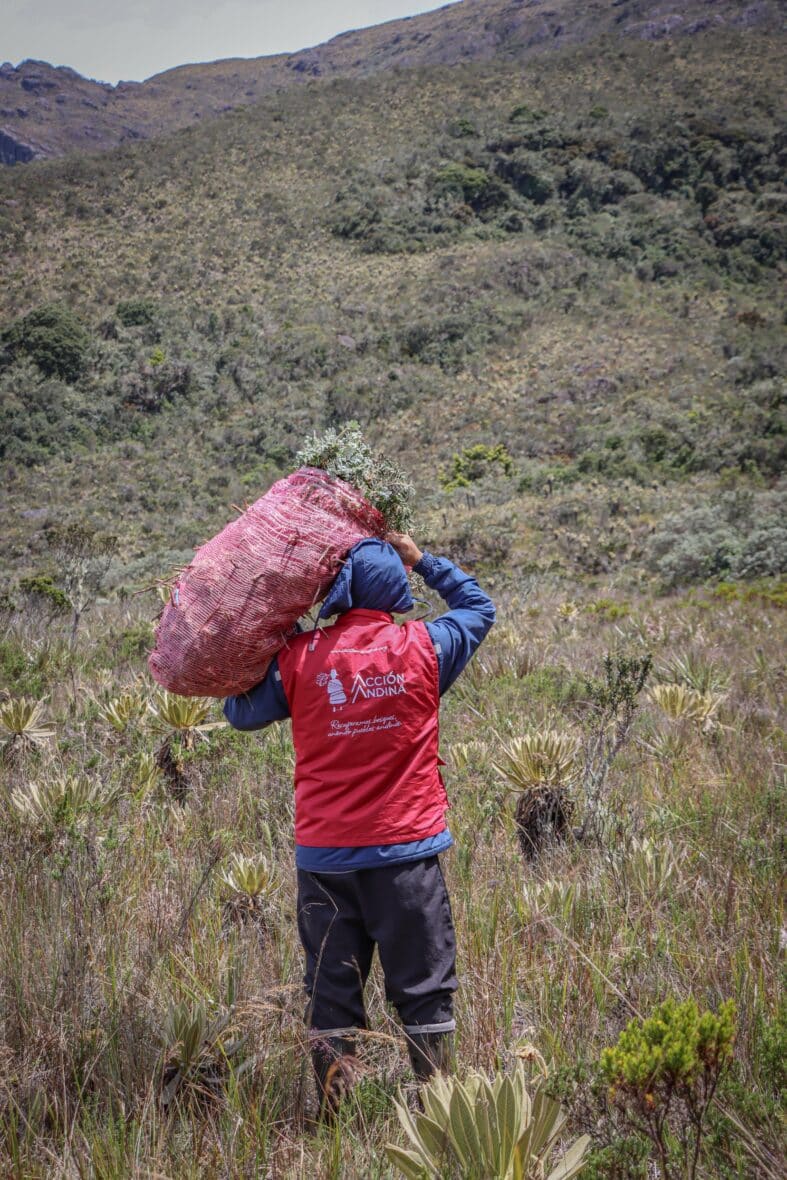
This project is part of Acción Andina, the largest ecosystem restoration initiative in South America. TUI Forest Colombia joins TUI Forest Peru, another TUI Care Foundation supported project within the Acción Andina network, creating a regional approach to high Andean forest restoration that benefits communities, whilst also addressing the urgent challenges of climate change and biodiversity loss.
The TUI Care Foundation’s ‘Forest February’ is a month of activities dedicated to reforestation. Through a series of project launches and educational activities, it emphasises the importance of community-managed reforestation solutions and sustainable agro-forestry tourism practices to safeguard forest ecosystems for local communities and generations to come.