

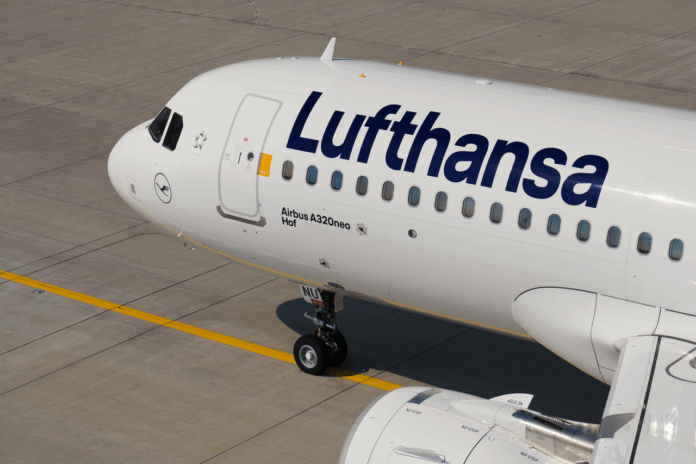
Lufthansa Airlines and its Munich-based regional subsidiary, Lufthansa CityLine have been rewarded for their “excellent environmental management” by retaining their European EMAS (Eco-Management and Audit Scheme) regulation certifications following thorough audits.
“With the 2025 environmental statement, we are celebrating a special anniversary: 25 years ago, Lufthansa CityLine was the first airline worldwide to receive validation according to the demanding EMAS standard. Since then, we have been continuously working on the further development of our operational environmental management system. Through more efficient use of resources and optimized processes at Lufthansa Airlines and Lufthansa CityLine, we are advancing both environmental and economic goals. We are maintaining this course even in economically challenging times,” said Jens Ritter, CEO of Lufthansa Airlines.
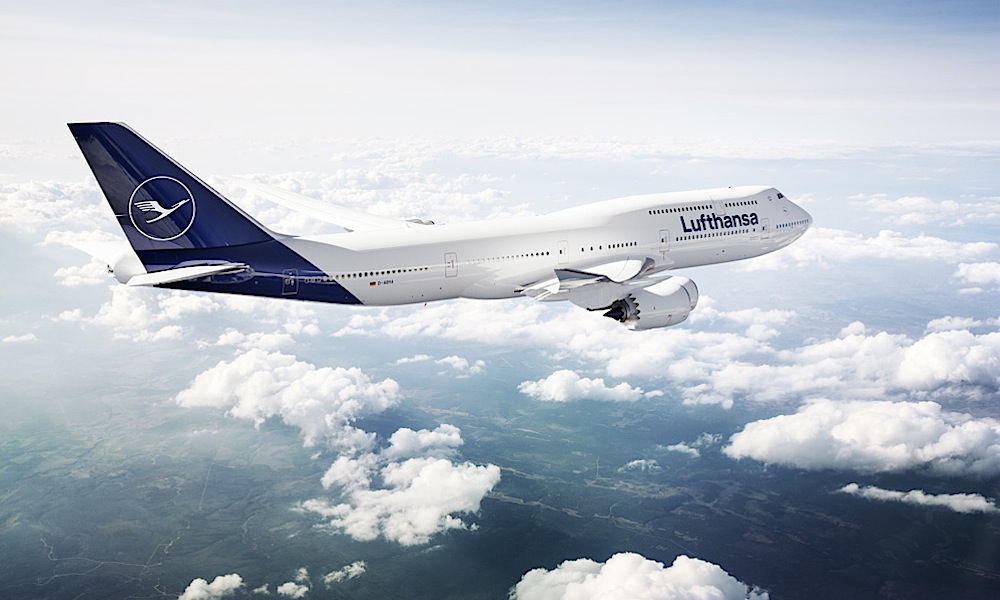
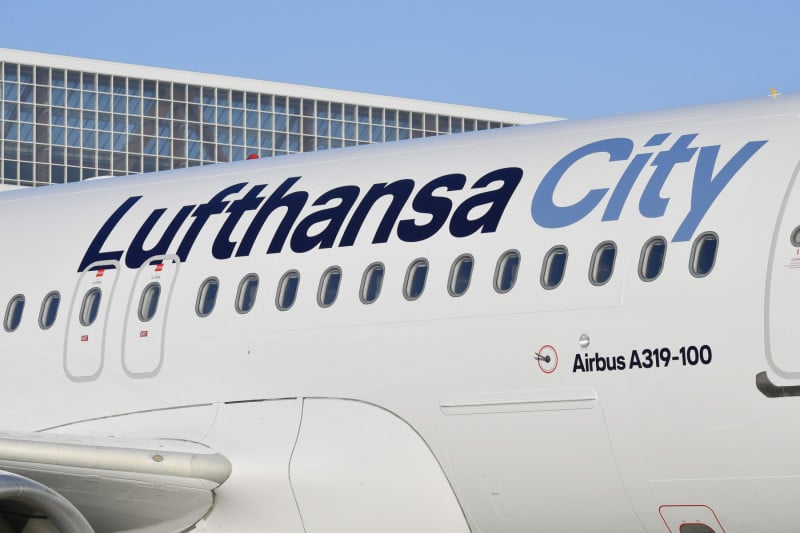
EMAS is a system for environmental management and environmental auditing developed by the European Union, whose specifications companies can voluntarily adapt. The company’s environmental management system is reviewed in detail by external assessors.
In 2000, Lufthansa CityLine was the first airline worldwide to impose an environmental concept on itself and receive the prestigious EMAS seal of approval. In 2018, Lufthansa Airlines introduced a certified environmental management system at its Munich location and merged it with Lufthansa CityLine in 2022. The Frankfurt location was added in December 2023. The expansion to the core Lufthansa brand at the Frankfurt and Munich locations was a significant step. With the joint EMAS validation of both companies, Lufthansa Airlines is continuously expanding its sustainable orientation. Both companies publish their progress in a joint environmental statement.
Around 40 environmental coordinators work in the specialist departments of Lufthansa Airlines and Lufthansa CityLine to promote environmental issues. Digital solutions play a central role in making environmental impacts more transparent and reducing emissions, for example through data-based analyses and monitoring systems. In 2024, existing measures were continued and new ones introduced. These include switching off engines during taxiing, an improved recycling concept, and optimized loading of beverage reserves, which saves fuel and CO2.