
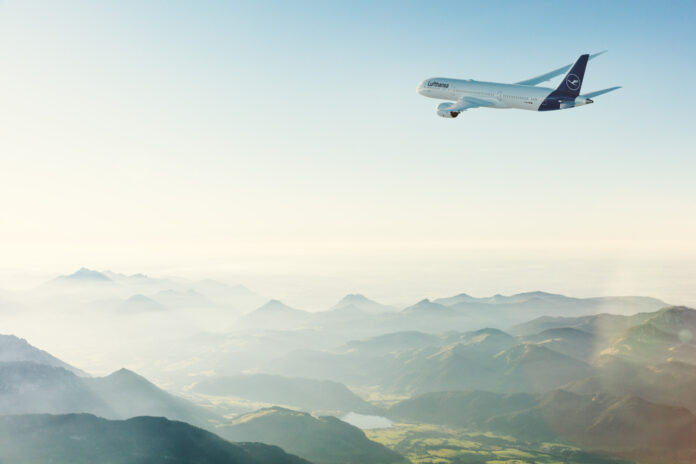
Lufthansa Group is further expanding its group-wide fuel efficiency programme, “OPS Sustainability.”
The aim is to make the operational processes of all Lufthansa Group airlines more sustainable by increasing efficiency.
Since 2022, more than 90 individual measures have helped to save a total of around 54,000 metric tonnes of kerosene, thereby permanently avoiding around 170,000 tonnes of CO₂ emissions. This corresponds to the fuel consumption and CO₂ emissions of 640 round-trip flights on the Munich–New York route with an Airbus A350-900 aircraft.
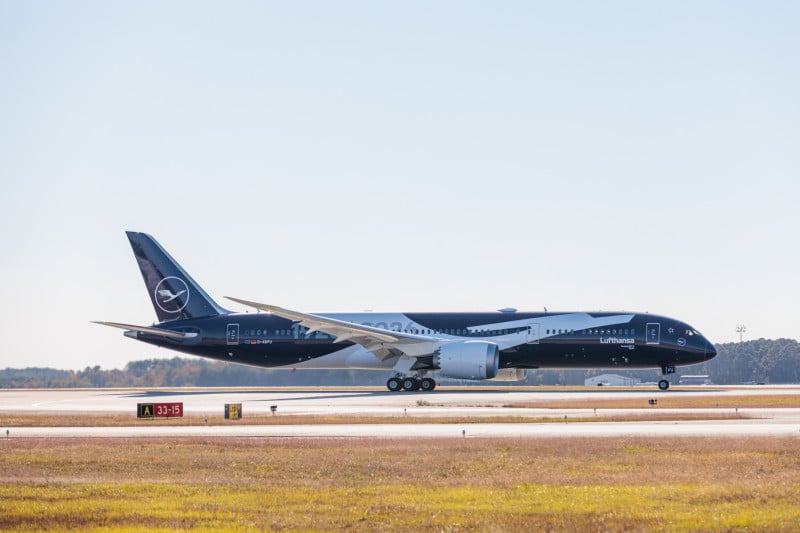
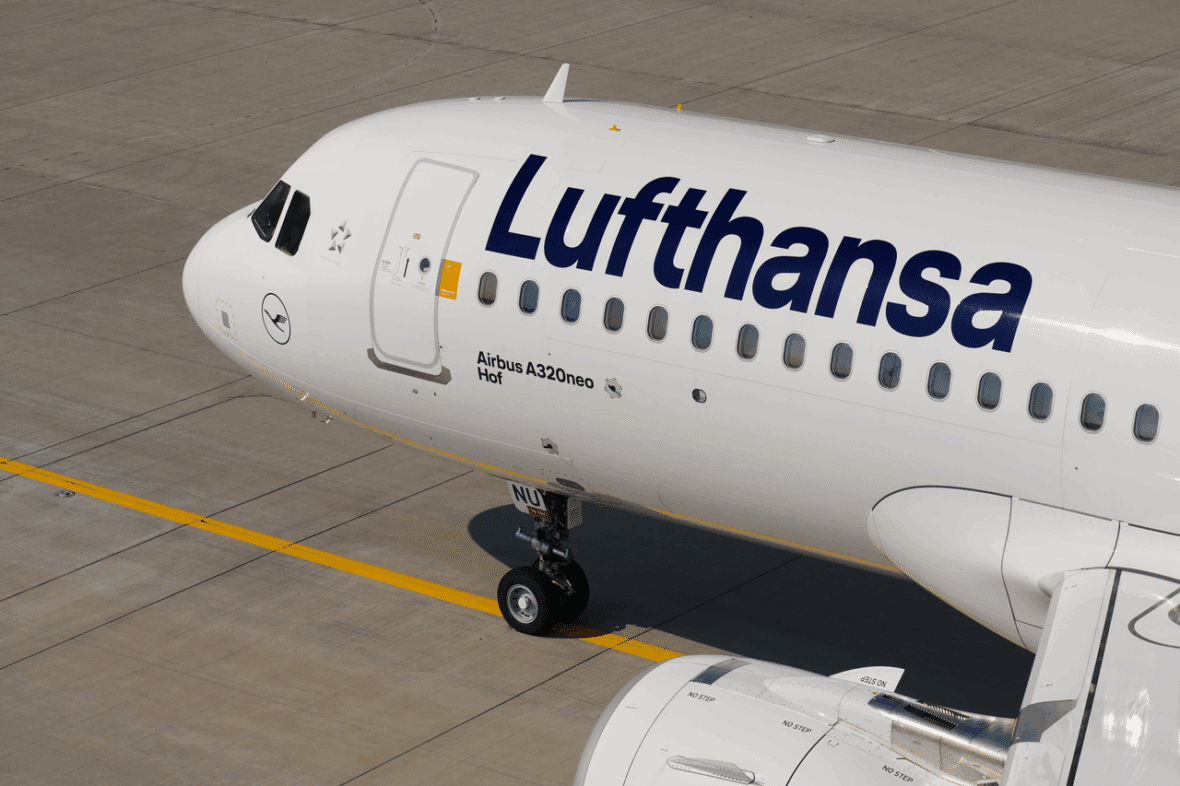

Now, further measures are being added: The company has set itself the goal of avoiding around 50,000 additional tonnes of CO₂ annually across the group by the end of 2028, among other things by using new digital tools and data-based decision models. This corresponds to an additional annual fuel saving of over 15,200 metric tonnes.
“We embed sustainability where it has the most immediate impact – in the day-to-day operations of our airlines. Our OPS Sustainability programme is already delivering measurable efficiency gains and environmental improvements. At the same time, we are investing more than ever in highly fuel-efficient, state-of-the-art aircraft,” says Grazia Vittadini, Chief Technology Officer of Lufthansa Group.
With the new phase of the programme now underway, additional measures are being rolled out across the Group that pursue a data-driven and practical approach to increasing efficiency in flight operations. These include, for example, the use of digital applications that will enable even more precise decisions to be made in future about the amount of fuel required for a flight, based on historical consumption data. Measures such as optimized taxiing and approach procedures, more demand-oriented water loading, and more precise flight planning are also part of the program. Sustainability is also being systematically integrated into the entire training chain for employees on board and on the ground. The goal is to promote conscious decisions for more efficient flight operations on a daily basis.
Innovations such as the “AeroSHARK” surface technology developed by Lufthansa Technik in collaboration with BASF are also helping to make daily flight operations more sustainable. The innovative film has already been applied to the surfaces of more than 20 Lufthansa Group aircraft and mimics the aerodynamic properties of shark skin. It reduces drag, thereby lowering fuel consumption and CO2 emissions by around one percent—on every flight.
Launched in 2022, the Lufthansa Group’s OPS Sustainability program focuses on targeted measures to increase operational efficiency in flight operations. It covers all operational areas: cockpit, cabin, ground processes, technics, and cargo. A key feature is the networked approach. Experts from various areas of the Lufthansa Group work together across the Group, analyzing operational data, identifying inefficiencies, and developing effective solutions. This demonstrates the strength of the airline group: strategically coordinated cooperation at Group level and local implementation at the Lufthansa Group airlines allow synergies to be leveraged and even greater successes to be achieved in increasing fuel efficiency.
The continuous improvement of fuel efficiency in flight operations, together with fleet modernisation, the use of Sustainable Aviation Fuel (SAF), a wide range of options for private travellers and corporate customers for more sustainable flying, and the expansion of intermodality is one of five levers with which the Lufthansa Group is promoting more sustainable flying. In addition, the Lufthansa Group has been actively supporting global climate and weather research for more than 30 years.