
The inbound and domestic tourism sector can play a huge role in the country’s financial growth in the coming years and safeguard Ireland’s export-focused economy against external shocks, the banking industry has said.
The latest SME Monitor from Banking & Payments Federation Ireland (BPFI) indicates that while export-driven economic growth in the first quarter of 2025 may not be sustainable, efforts to boost year-round and domestic tourism should help to sustain employment and support more balanced growth, although cost pressures and price increases remain.

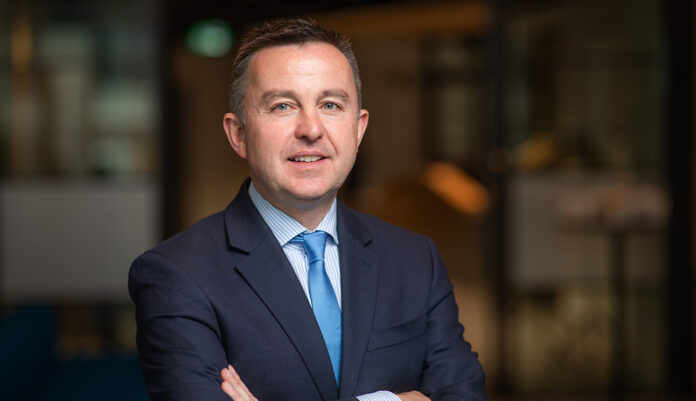
Outlining the analysis from the Monitor, Brian Hayes, Chief Executive BPFI stated: “[The] SME Monitor shows that the Irish economy is performing well in 2025 to date, with early estimates from the Central Statistics Office (CSO) showing that Irish gross domestic product (GDP) is up 13.3% when compared with the same quarter in 2024. However, most of this growth was driven by multinational exports, where 99% of the increase of €34.3 billion in total exports was accounted for by exports of medical and pharmaceutical products, largely due to front loading, particularly to the US, by multinational firms reacting to tariff threats by the new US administration in early April.”
Irish-owned businesses accounted for nearly 75% of total employment and 66% of total earnings last year.
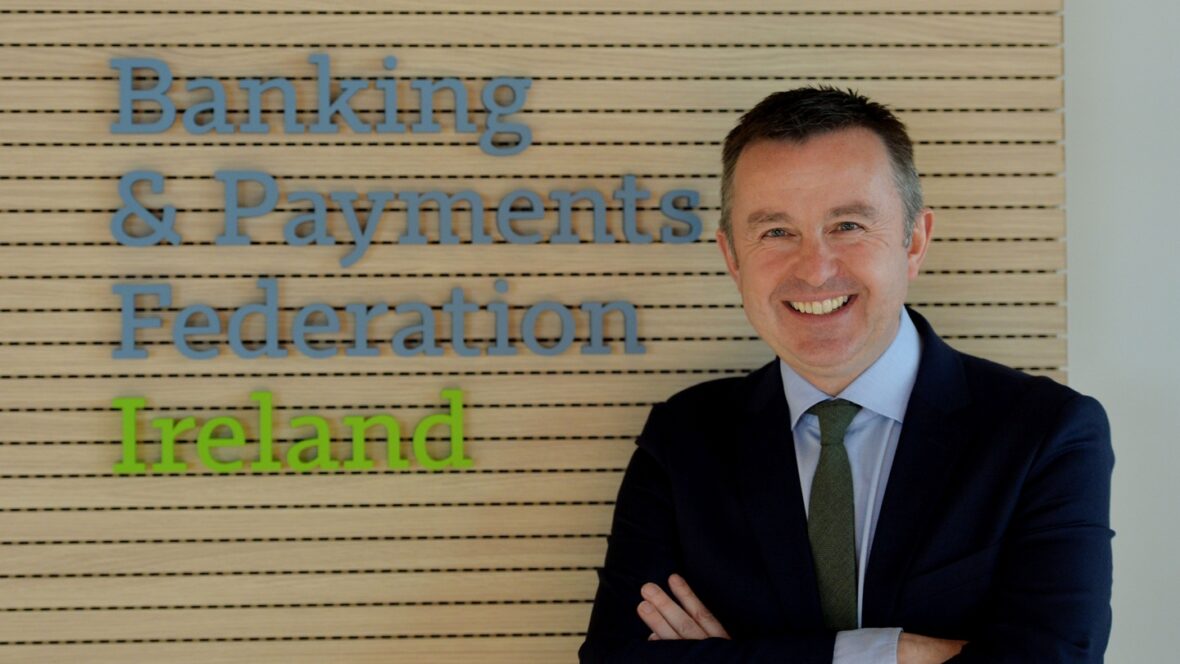
Mr Hayes continued: “Meanwhile, employment reached historic highs by the end of 2024, with 2.8 million people in work, almost 400,000 more than pre-pandemic levels in 2019. The employment rate stood at 74.3% in Q4 2024, the highest since records began 25 years ago. Notwithstanding the significant contribution of foreign firms to economic output as well as total taxes paid in the Irish economy, Irish-owned businesses in fact accounted for nearly 75% of total employment and 66% of total earnings in the Irish economy, according to the latest CSO data. In the hospitality sector, some 86% of employment is in Irish-owned enterprises.”
Looking more closely at areas of growth, Mr Hayes added: “In 2024, Ireland welcomed 6.6 million foreign resident visitors who spent an estimated €8.2 billion, including on travel fares, up 12% from 2023. However, while nearly 1.1 million foreign residents visited Ireland in the first quarter of 2025, it’s down from 1.4 million visitors during the same period in 2024. Given their importance to the economy, this trend in foreign visitors should be monitored closely, but domestic tourists also make a crucial contribution to the sector. Irish residents spent an estimated €3.6 billion on domestic travel in 2024, an increase of 15.3% year-on-year. More broadly, Irish consumers and businesses spent €12.3 billion in hospitality and tourist outlets in Ireland in the twelve months ending March 2025 according to BPFI analysis of payment card data from the Central Bank of Ireland (CBI).”
Mr Hayes concluded: “Looking ahead, 80% of tourism businesses expect stable or increased visitor numbers in 2025, according to Fáilte Ireland’s latest Tourism Barometer, although cost pressures along with continued increases in prices could risk Ireland’s affordability and competitiveness in the tourism sector in the future. It is encouraging to see that with the publication of the new Tourism Policy Framework for the period to 2030, there are new efforts to boost business tourism and year-round domestic travel. Given that global trading conditions are likely to deteriorate, and Ireland’s reliance on foreign direct investment, these efforts will be critical to ensuring that growth is more balanced and not overly reliant on unpredictable international trends.”