
Industry reaction to the Government’s new National Policy Framework for the recovery and growth of Ireland’s inbound and domestic tourism sector has been a cautiously welcome one.
On the one hand, welcoming of tourism – the single largest indigenous industry on the island and the biggest regional employer – being back front-and-centre of Government policy; while, on the other, cautious in that it will take more than glossy brochures and nice-looking targets to achieve the recovery.
This week’s new 5-year National Tourism Policy Statement (subtitled A New Era for Irish Tourism) ran big on ambition – significant jumps in visitor numbers and tourism revenue at a time when both are in decline – but was, arguably, light on policy. You can read more detail about the report here- Government Outlines Ambitious Plans to Boost Inbound & Domestic Tourism Visitor Numbers, Revenues and Employment | ittn.ie
However, industry reaction has been good, in the main.
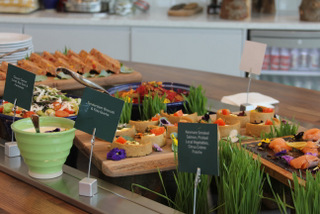
The Restaurants Association of Ireland said it welcomed the new strategy and its strong emphasis on elevating Ireland’s food and culinary experiences.
RAI Chief Executive, Adrian Cummins, said: “A dedicated culinary tourism strategy will be coming as a key priority, alongside new regional food trails and themed experiences that mark meaningful progress toward positioning Ireland as a world class culinary destination.
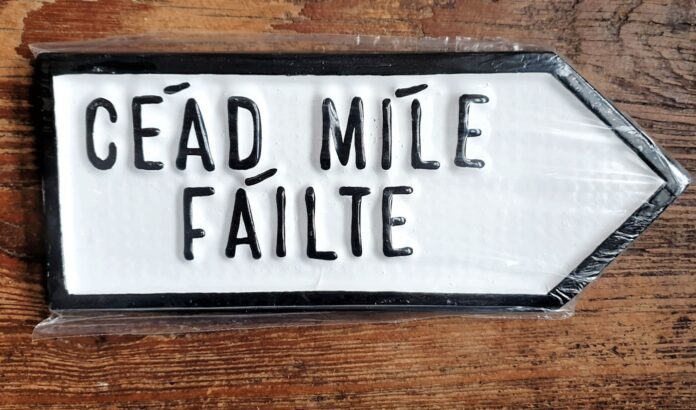
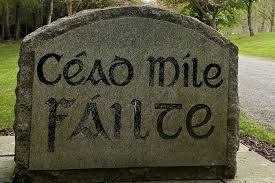
“The hospitality sector is where visitors feel the real céad míle fáilte. It is great to see this recognised as a core pillar of our tourism offering and essential to creating unforgettable visitor experiences.”
Eoghan O’Mara Walsh, Chief Executive of the Irish Tourism Industry Confederation (ITIC) said: “The Irish Tourism Industry Confederation welcomes the publication of the report and looks forward to working with the Government to achieve growth targets for Irish tourism. The implementation of the report is key and we hope to be involved in the oversight group.
“The targets are welcome, but it’s very important that we tame inflation because if the growth targets are simply cost inflation then it lacks complete meaning for business; so that’s a particular priority for us. We would have liked to have seen Government to commit to investment to Irish tourism because we all agree with market diversification and growing the sector, but equally Government needs to enable that and an increase in budgets for Irish tourism will be important, but unfortunately the policy was silent in that regard.”

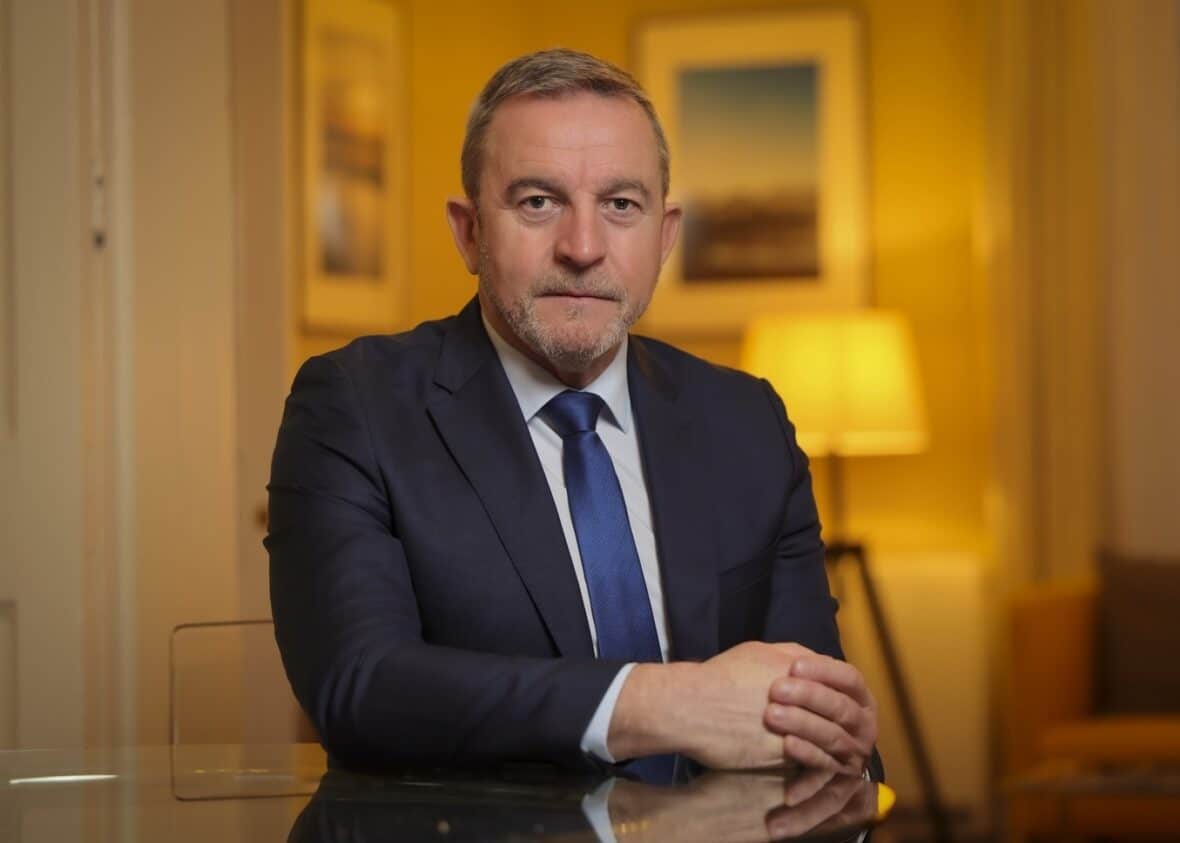

Irish Hotels Federation (IHF) Chief Executive Paul Gallagher said: “As Ireland’s most regionally dispersed indigenous employer, tourism is a key cornerstone of our nation’s economic prosperity. This is clearly recognised throughout the Government’s new tourism strategy with a very welcome commitment to supporting businesses, increasing employment and delivering sustainable long-term growth.”
Mr Gallagher said the announcement “builds on the decision, earlier this year, to move the tourism portfolio to within a reconfigured Department of Enterprise, Tourism and Employment led by Minister Peter Burke, thereby bringing greater economic focus and a more coherent and coordinated approach to policy planning for our sector. It also follows the welcome decision in Budget 2026 to reduce the rate of VAT on food services for struggling hospitality businesses that are facing enormous cost pressures.”
“By placing tourism at the heart of Government policy, this new tourism plan will help ensure the right conditions are created to support the long-term development of our industry. As we look to strengthen competitiveness and sustainability, our hotels sector stands ready to play its role in helping to ensure Irish tourism lives up to its potential as a major engine of economic prosperity,” he added.
The IHF welcomes the following policy targets set out by the Government:
- Overseas tourism revenue to grow to €9 billion by 2031 (+6% per annum excluding carrier fares)
- Domestic tourism revenue to grow to €5.8 billion by 2031 (+7% per annum)
- Prioritise growth in the off-peak season (October to May)
- Grow visitor numbers by at least 7% per annum in less mature and emerging regions within Ireland
- Increase tourism employment by at least 9% by 2031 (compared with 2024)
- Reduce tourism-related emissions by 45% by 2030 (compared with 2018 levels)
- Adoption of advanced digital tools by at least 90% of tourism SMEs by 2031