

The Irish Hotels Federation (IHF) has strongly reiterated the vital need for the restoration of a 9% VAT rate for food services companies within the hospitality sector in October’s Budget, following a high-profile meeting with Government yesterday.
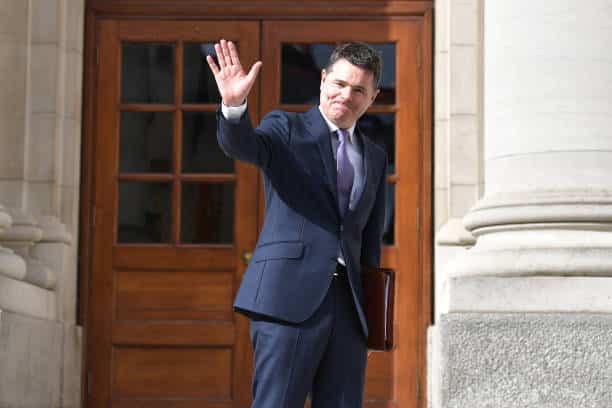
Tourism leaders – including representatives from the IHF, the Licensed Vintners Association, the Irish Tourism Industry Confederation (ITIC) and the Restaurants Association of Ireland – met with Finance Minister Paschal Donohoe and Public Expenditure and Reform Minister Jack Chambers on Wednesday to stress the need for additional supports for the country’s largest indigenous industry in Budget 2026.
Against a backdrop of ongoing challenges – including serious cost competitiveness issues for hospitality food-related services – the IHF reiterated its call for targeted measures in Budget 2026 to place Irish tourism and hospitality on a more stable and competitive footing.
IHF Chief Executive Paul Gallagher said, following the meeting: “Restoring the 9% rate of VAT on food services is a key priority for our industry in line with the commitments set out in the programme for Government. We understand from today’s meeting that this measure is still under active consideration as part of deliberations for the upcoming Budget. It is essential that a reduction is implemented from the start of January 2026 given the enormous challenges facing hospitality food businesses throughout the country.”
Restoring the 9% VAT rate for food-related services would be a vital policy intervention for a sector that supports over 270,000 livelihoods and contributes significantly to the economy. Crucially, more than 70% of these roles are outside Dublin, making our industry a key driver of regional employment, economic diversification and rural development.
Mr Gallagher noted that a rate of 9% VAT for food related services would bring Ireland back in line with the majority of our European competitors. For instance, Germany has recently announced a reduction in its VAT rate on food services to 7% from January next year, down from 19% currently in place. This move recognises the broader social and economic role played by the hospitality sector and the particular challenges facing food businesses.
Commenting on the outlook for the sector, Mr Gallagher highlighted the difficult headwinds that Irish tourism is facing on multiple fronts, including declining tourism revenues, economic challenges across key source markets, increased political uncertainty internationally and the fallout from EU/US tariffs.
Mr Gallagher said: “We are particularly concerned about the ongoing drop in expenditure by overseas visitors, as reported by the CSO… Figures show a 4% drop in tourism spend by visitors in July compared to last year, following an already weak performance year to date. This poses a very significant challenge for tourism businesses nationwide that are already struggling under unsustainable increases in operating costs.”

Meanwhile, ITIC chief executive, Eoghan O’Mara Walsh summed up the meeting on X, by posting: “Productive meeting with Ministers, who both understand the importance of the tourism economy to the national coffers. Biggest regional employer, 29c in every visitor euro is returned to exchequer in tourism-related taxes, largest indigenous industry, Support in Budget 2026 is vital.”
In its own pre-Budget submission – released just over a week ago – ITIC warned the inbound and domestic tourism sector is facing “unprecedented” challenges and funding of another €90m, in the Budget, will be needed to boost tourism competitiveness.