
It is “essential” that Ireland’s inbound and domestic tourism and hospitality industry remains at the heart of the Government’s national economic policy amid many challenging headwinds, the head of the Irish Hotels Federation (IHF) has told politicians.
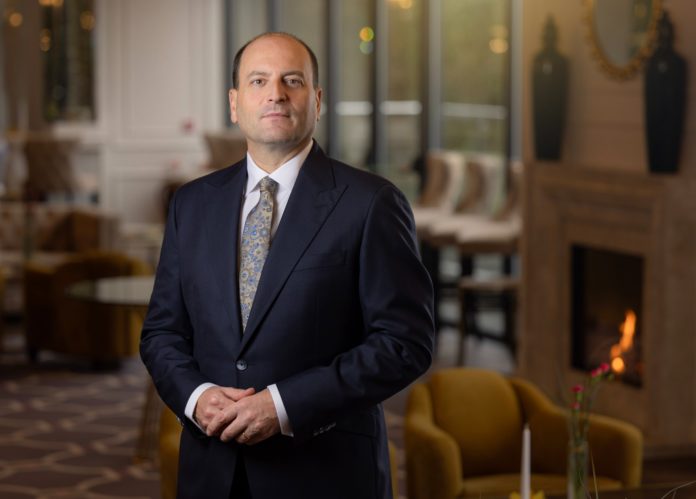
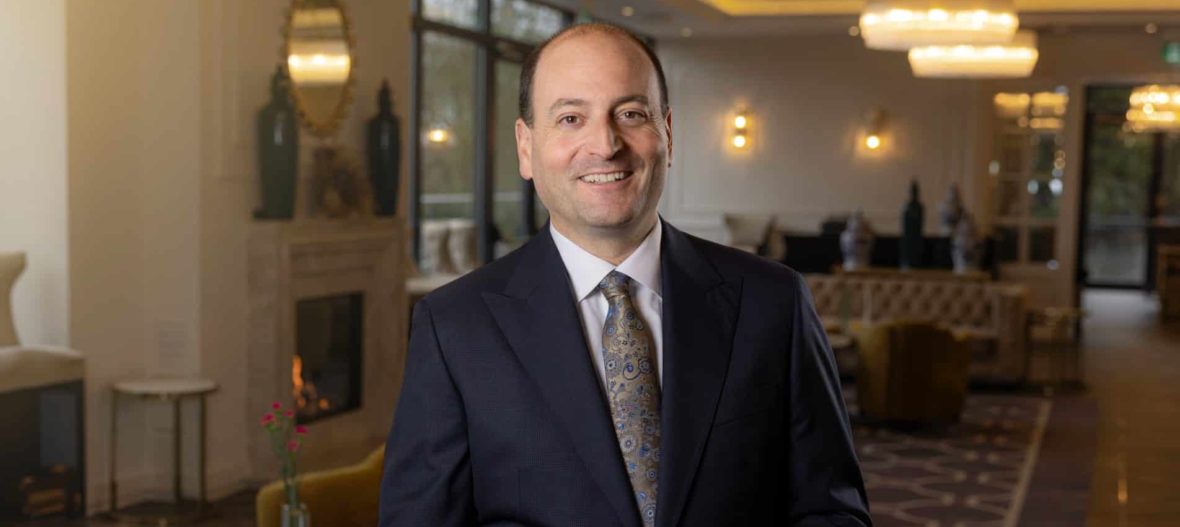
Addressing the latest sitting of the Joint Oireachtas Committee on Enterprise, Tourism and Employment, IHF President Michael Magner said rising business costs are threatening the very viability of many hospitality businesses across Ireland as the industry faces into a new and uncertain year.
“Relentless increases in costs — including energy, labour, insurance, supplies and food — have placed immense pressure on our sector. These rising costs threaten both our competitiveness and the viability of hospitality businesses, undermining Ireland’s appeal as a destination,” Mr Magner told the Committee.
He added: “In addition to cost challenges, our sector is navigating difficult headwinds in the form of declining tourism revenues, economic instability in key source markets and growing international political uncertainty. As we look toward 2026, these factors present real risks to our industry and the ability of hospitality operators to remain viable.
“It is, therefore, essential that Irish tourism and hospitality remain at the heart of our national economic policy, ensuring the right conditions are created to support the long-term, sustainable development of our industry.”
Mr Magner stated: “Tourism makes an enormous contribution to economic diversification and rural development, generating over €10 billion in revenues annually and over €2.9 billion in taxes for the exchequer.
“In addition to providing local employment, our hotels and guesthouses buy local services, source locally produced food, and provide an essential economic infrastructure in support of local business and the communities in which we operate. This does not come about by accident. Government policy is a determining factor in our success as is the outstanding support provided by our tourism agencies, Fáilte Ireland and Tourism Ireland. Their work driving tourism development, supporting businesses and promoting and marketing Ireland has been instrumental in building and maintaining Ireland’s reputation as a world-class destination. Looking ahead, we are confident that tourism can continue to grow, provided it remains central to Government policy decision-making.”
Mr Magner also detailed the Irish Hotels Federation’s wish-list of Government supports, which it sees as being key to ensuring tourism lives up to its full potential:
· Measures to improve cost competitiveness within the economy
· Increased investment in tourism training, skills and development, leveraging un-tapped surpluses available through the National Training Fund
· Increased investment in tourism marketing and development
· Targeted funding for a national hotel retrofitting scheme to reduce carbon footprint
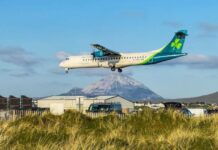
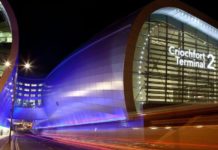
· Removal of barriers to growth in air access into Dublin Airport
· Securing additional opportunities to enhance regional air access and connectivity
· Assisting hotels develop employer-led staff accommodation
· Effective regulation of short-term lettings, including the planned Fáilte Ireland register
· Measures to support tourism capacity growth, including the removal of barriers to hotel development
Mr Magner said the Government’s decision to move tourism within a reconfigured Department of Enterprise, Tourism and Employment has been “a very welcome development”.
He added that the reduction in the hospitality VAT rate, in the October Budget, was a “welcome and timely intervention”.
“It will offer much-needed relief to struggling food service businesses the length and breadth of the country in the face of serious cost challenges, particularly given their labour-intensive nature. Cost challenges within the Irish economy are, of course, a serious concern for our entire industry. We are currently one of the most expensive places in Europe in which to live and do businesses,” he told the Committee.