

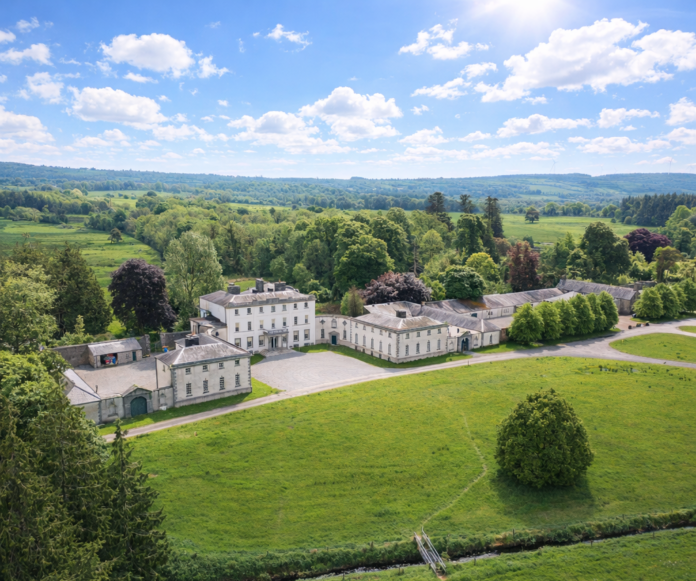
The Irish Heritage Trust has announced plans for a transformative, nature-based outdoor experience at Strokestown Park | The National Famine Museum, Roscommon.
Backed by a €1.2m investment from Fáilte Ireland’s Regenerative Tourism and Placemaking Scheme*, which is co-funded by the Government of Ireland and the European Union under the EU Just Transition Fund, the project will reimagine Strokestown Park’s historic grounds, strengthen its visitor offering, and drive tourism in the Roscommon area.
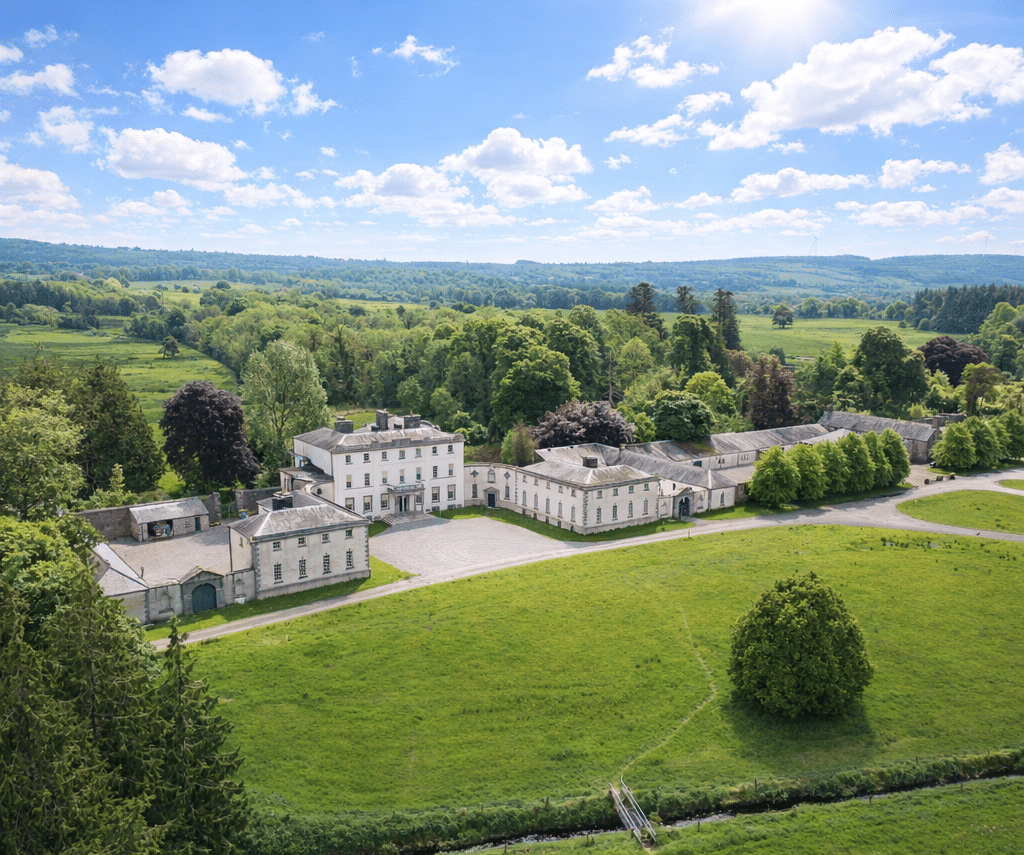
Designed to inspire and engage visitors of all ages, the new experience is set to open in summer 2026, offering new ways to connect with nature at Strokestown Park | The National Famine Museum. The ambitious project is funded in partnership with Westward Holdings Ltd., which owns of the historic property, and funds from the Irish Heritage Trust, the independent non-profit organisation which, since 2015, cares for and manages Strokestown Park | The National Famine Museum.
Many of the natural features of the Strokestown Park estate, from the woodlands to meadows and river, remain underutilised or difficult to access. The planned developments will address this through a new network of woodland paths with boardwalks and accessible trail surfaces, encouraging visitors to engage with their surroundings in creative and reflective ways.
The project is prioritising conservation, biodiversity, and inclusive access by regenerating these underexplored outdoor areas. The result will be a nature-based visitor experience that connects Strokestown Park’s natural heritage with its built cultural heritage. It will feature family-friendly, interactive adventure zones and immersive play areas, all inspired by the unique character and history of Strokestown Park House. A focus on inclusive learning will ensure that these activities are accessible and engaging for people of all ages and backgrounds.
“This new project will revitalise Strokestown Park estate’s extraordinary natural and cultural assets, linking education and heritage with biodiversity and community well-being. It is also a wonderful opportunity to broaden the estate’s appeal for visitors of all ages and abilities, offering our younger guests the perfect blend of fun and learning” said John O’Driscoll, Irish Heritage Trust General Manager at Strokestown Park | The National Famine Museum. “The extensive programme of works will respect Strokestown Park’s historic character and natural heritage, with new infrastructure designed to complement the landscape. By preserving woodlands and protecting specimen trees, we aim to support biodiversity and environmental education.”
CEO of the Irish Heritage Trust, Anne O’Donoghue added that this announcement marks another milestone in the future of Strokestown Park: “Since the opening of the redeveloped National Famine Museum in 2022, Strokestown Park has continued to evolve under the care of the Irish Heritage Trust, ensuring its preservation for future generations. We are looking forward to breathing new life into the outdoors at Strokestown Park and strengthening the connection with the historic house. We are grateful to Westward Holdings Ltd. and Fáilte Ireland for their generous support”.
Orla Carroll, Director of Product Development at Fáilte Ireland, said: “We’re so pleased that Strokestown Park is among the successful projects to receive funding through Fáilte Ireland’s Regenerative Tourism and Placemaking Scheme, which is co-funded by the Government of Ireland and the European Union under the EU Just Transition Fund. This project is a great example of how the transformative EU Just Transition initiative is enhancing tourism experiences and creating new opportunities in Roscommon and across the Midlands.
“This investment of €1.2 million enables The Irish Heritage Trust to deliver a nature-based outdoor visitor experience featuring woodland paths, boardwalks, and accessible trails – encouraging all visitors to connect with their natural surroundings.
“Visitor experiences like this provide new and compelling reasons for domestic and international visitors to explore Ireland’s Hidden Heartlands and Ireland’s Ancient East, supporting local businesses, creating jobs, and driving economic benefits for communities.
“We look forward to working closely with The Irish Heritage Trust and seeing this exciting project come to life in the months ahead.”