
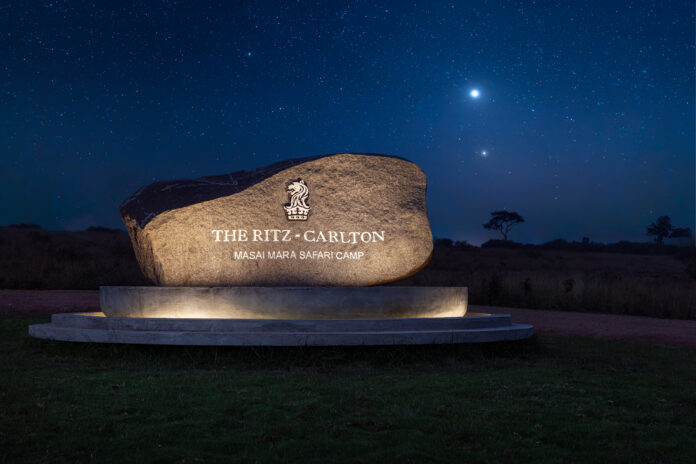
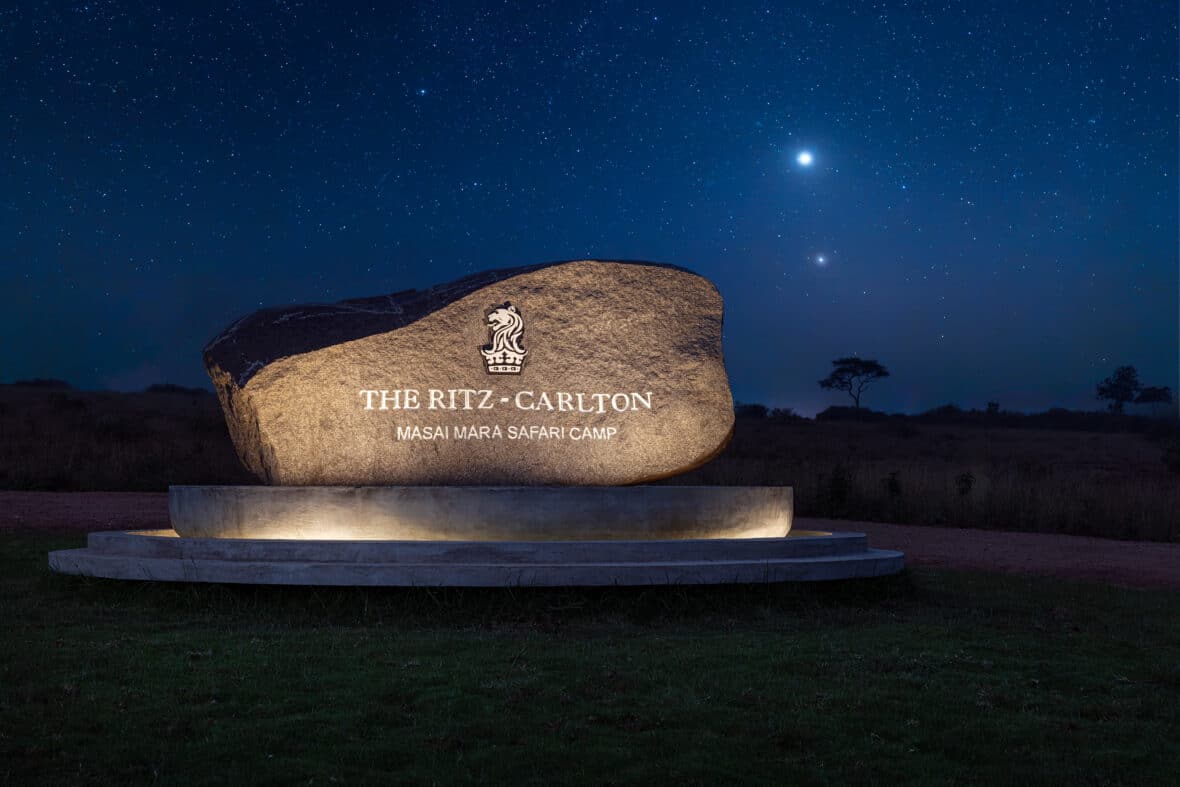
A new kind of safari luxury has emerged in Kenya’s legendary Masai Mara, one that listens more than it speaks.
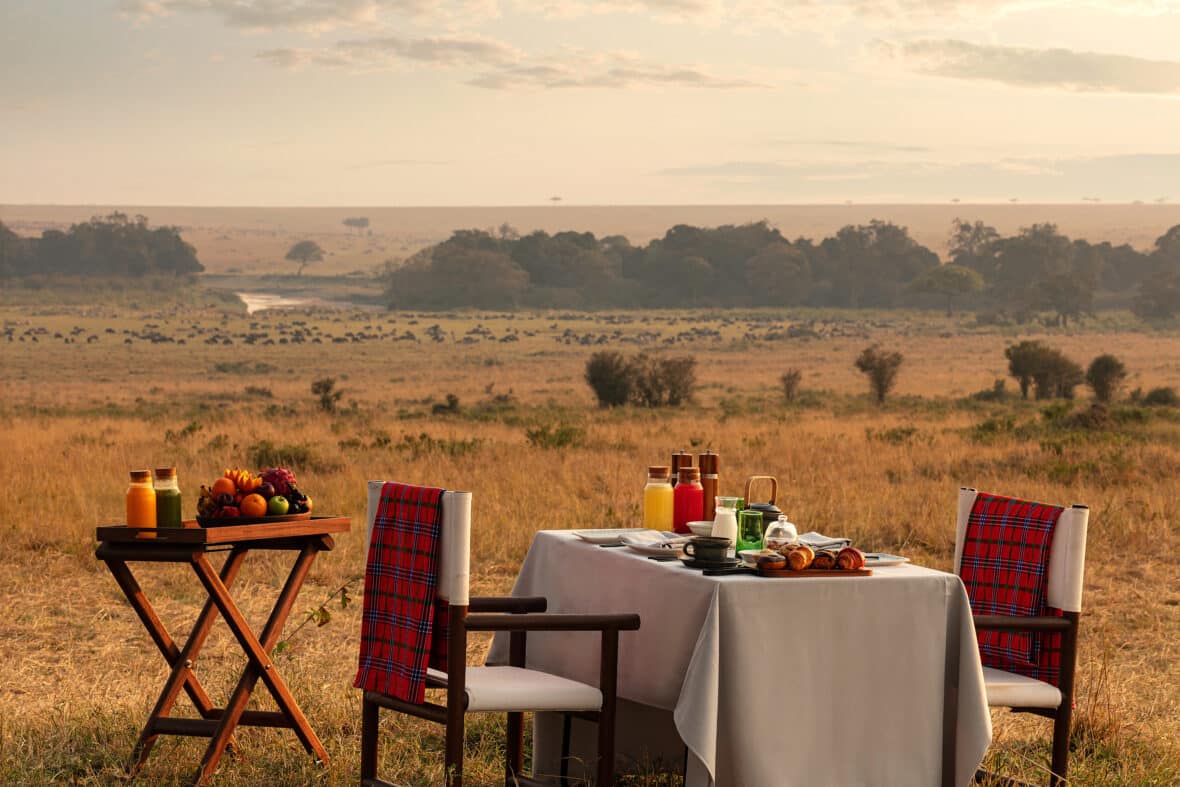
The Ritz-Carlton, Masai Mara Safari Camp, designed by LW Design, is a sanctuary where architecture and nature exist in quiet harmony, where every element is guided by the rhythm of the land.
Key Design and Experience Highlights:
- Elevated three meters above the ground, each of the 20 tented suites offers a treetop vantage over riverine forest and open savannah.
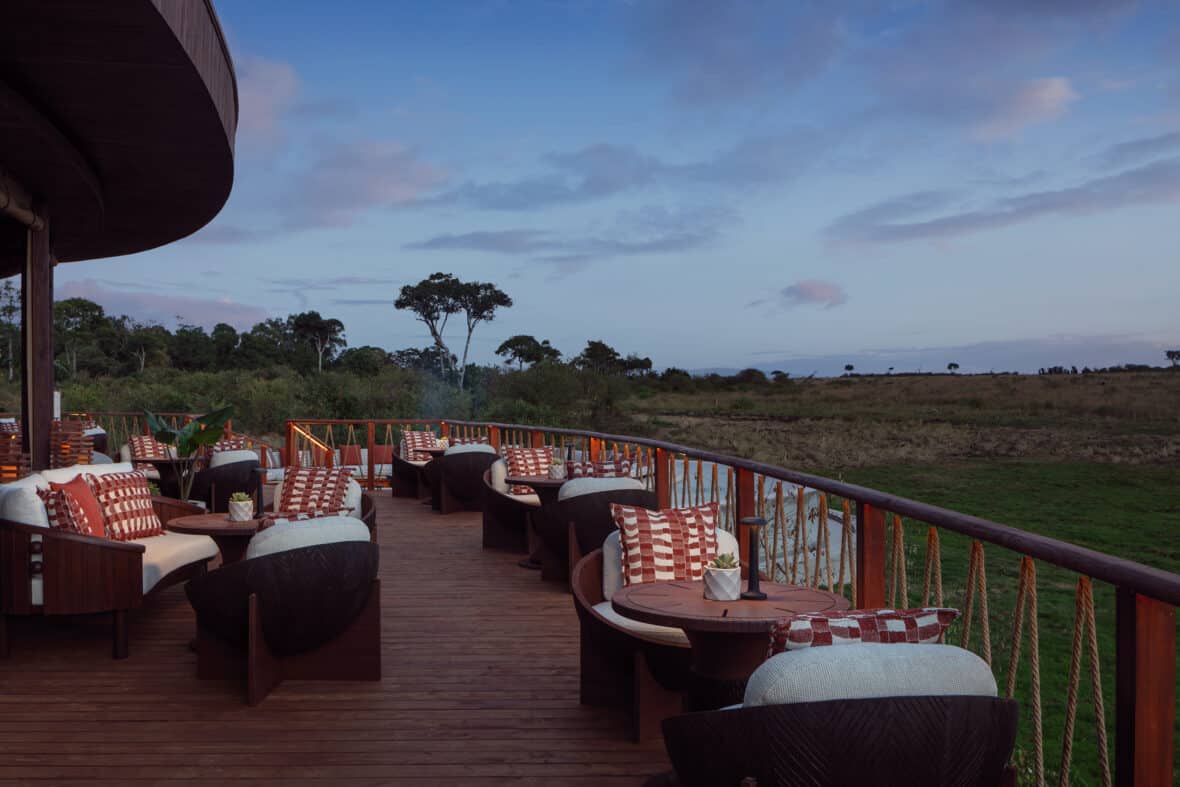
- Rooted in biophilic design, the camp blurs boundaries between inside and out, inviting guests into an intimate dialogue with the wild.
- Kenyan craftsmanship takes center stage, from handwoven textiles to Maasai beadwork, infusing authenticity and cultural soul.
- Iconic works by artists Simon Bannister and Gian Paolo Tomasi celebrate the natural beauty and heritage of East Africa.
This is safari redefined, where design doesn’t dominate the landscape, but deepens one’s connection to it.
| A Vision Rooted in Nature |
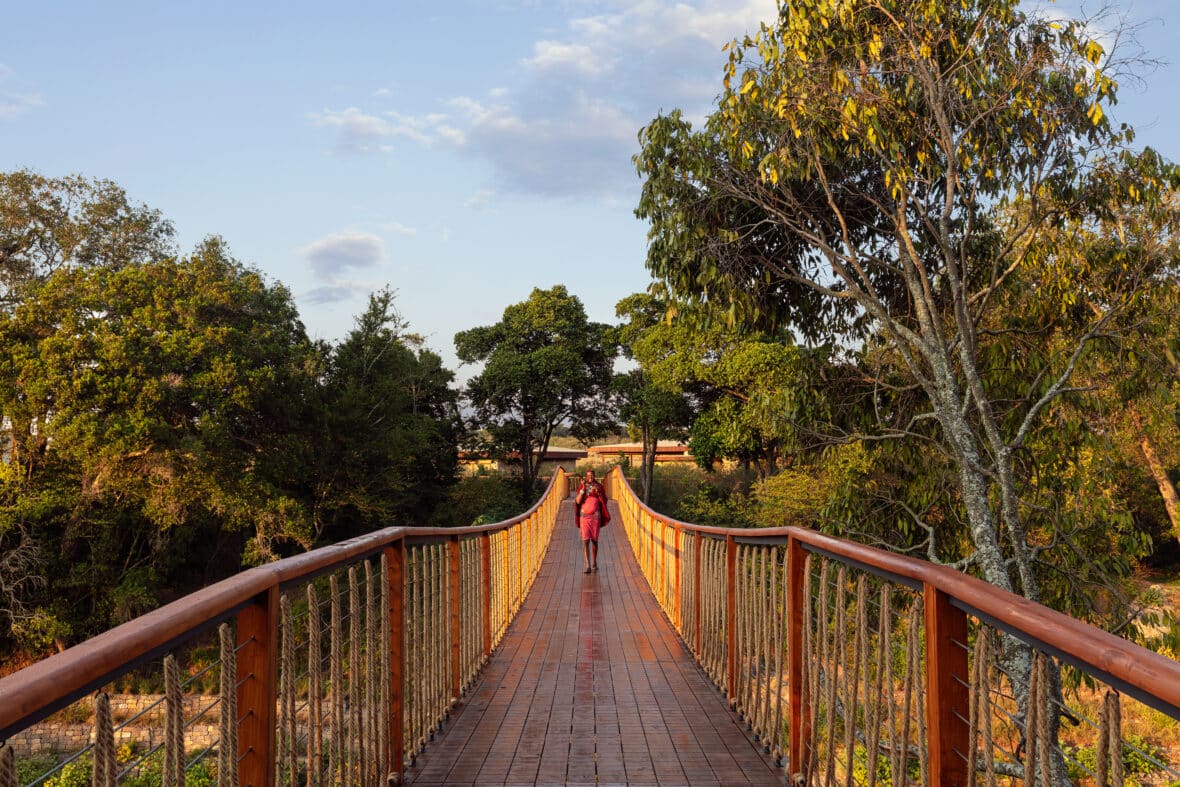
| At the core of the design philosophy lies a deep reverence for the land, guiding every element of the camp’s conception. Elevated three meters above the ground, each of the 20 tented suites offers an intimate treetop retreat while providing uninterrupted views of the riverine forest and sweeping savannah. “Luxury here is not about spectacle,” explains Pooja Shah-Mulani, Managing Partner – Creative at LW Design. “It’s about the quiet details in nature that go unnoticed – the way the light shifts as you cross a bridge into the camp, the scent of the trees at dusk, the sound of animals and the feeling of being truly connected to the pulse of the land and its people.” |
| Biophilic Design: A Seamless Blend of Interior and Exterior |
| Drawing from the principles of biophilic design, the camp is conceived as an authentic expression of nature, one that integrates seamlessly with its surroundings. The open-plan layout of each suite allows the sights, sounds, and scents of the Mara to move freely through the space, inviting guests into a sensory dialogue with the wild. Public areas are similarly porous: open spaces where interior and exterior are divided only by canvas, not walls. Nature is ever-present – the rustling of leaves, birdsong, distant roars, and dense animal tracks shape a new rhythm of time. Elevated pathways wind through the natural contours of the land, and landscape is not landscaped – it grows in and around nature. |
| A defining element of the camp’s architectural identity is its distinctive hooded, curved tent structure. Inspired by the bend of the Sand River, LW Design reimagined traditional A-frame tent architecture. This soft, organic form is not only visually striking but also functional, allowing for improved airflow and ventilation throughout the day. With the support of Highmark, a Kenya-based firm established in 2009 to meet the demand for high-end projects in ecologically sensitive regions, and East African Canvas, LW’s vision was brought to life in a fully canvas structure that breathes with its environment, harmonising both aesthetics and comfort in a truly unique way. |
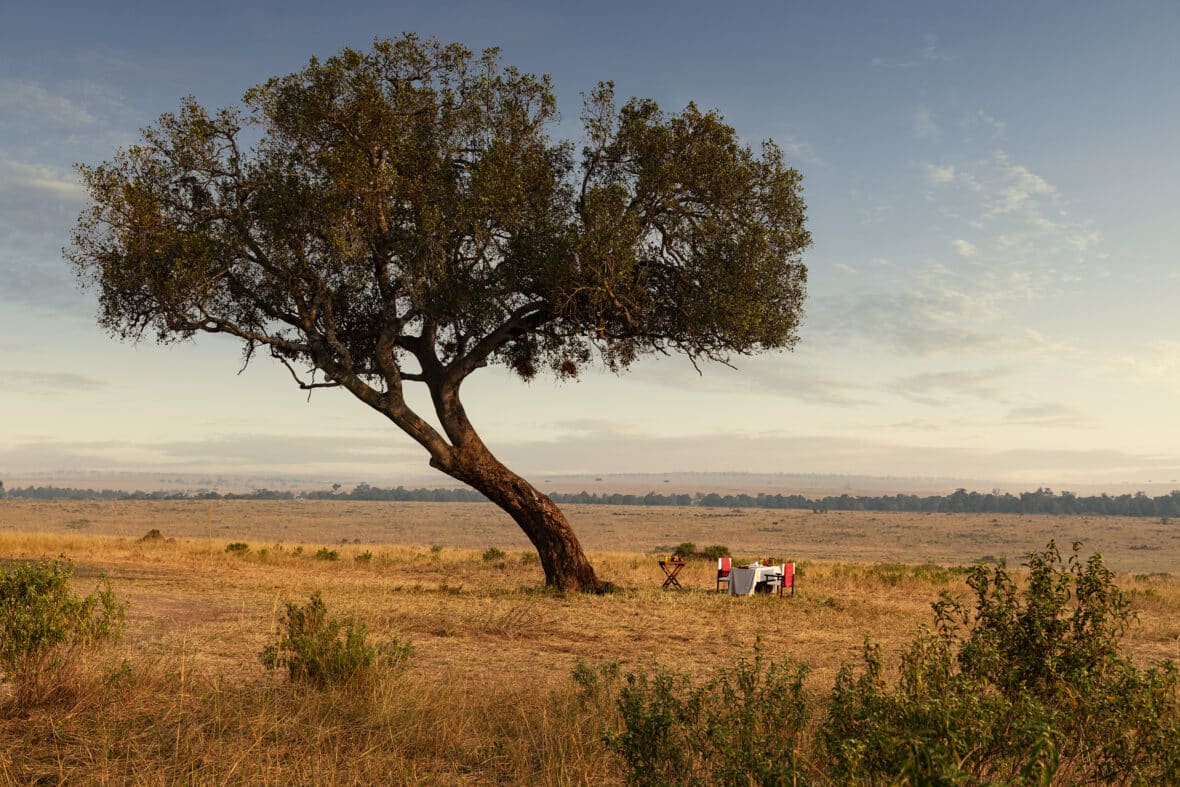
| The entire master plan was carefully orchestrated around the site’s existing mature trees, treating them not as obstacles but as anchors of identity and character. Every effort was made to preserve these natural giants, either by integrating them directly into the architectural footprint or designing sensitively around them, to reinforce the project’s biophilic philosophy. These trees are not merely landscape elements; they frame views, cast dappled light, and enhance the ecological richness and sensory calm experienced throughout the property. |
| Nowhere is this philosophy more deeply felt than in the Whispering Tree Spa, a sanctuary nestled within the surrounding treescape. Here, the architecture dissolves into nature, quiet pathways meander between trunks, treatment rooms open to filtered forest light, and the natural scent of bark and leaves becomes part of the wellness journey. It is a space that doesn’t just exist beside the forest, but within it, amplifying the narrative of rootedness, restoration, and quiet reverence that defines the entire project. |
| Local Craftsmanship at the Forefront |
| The Ritz-Carlton, Masai Mara Safari Camp is a celebration of Kenyan craftsmanship and creative collaboration. From inception, the vision was grounded in partnerships with local crafters and artisans whose deep knowledge and artistry brought authenticity and soul to the project. |
| LW Design collaborated with local designer Sarah Rowe of Northern Nomad Interiors, who played an instrumental role in connecting the team with key local artisans and crafters, further enhancing the design with a truly local thread. |
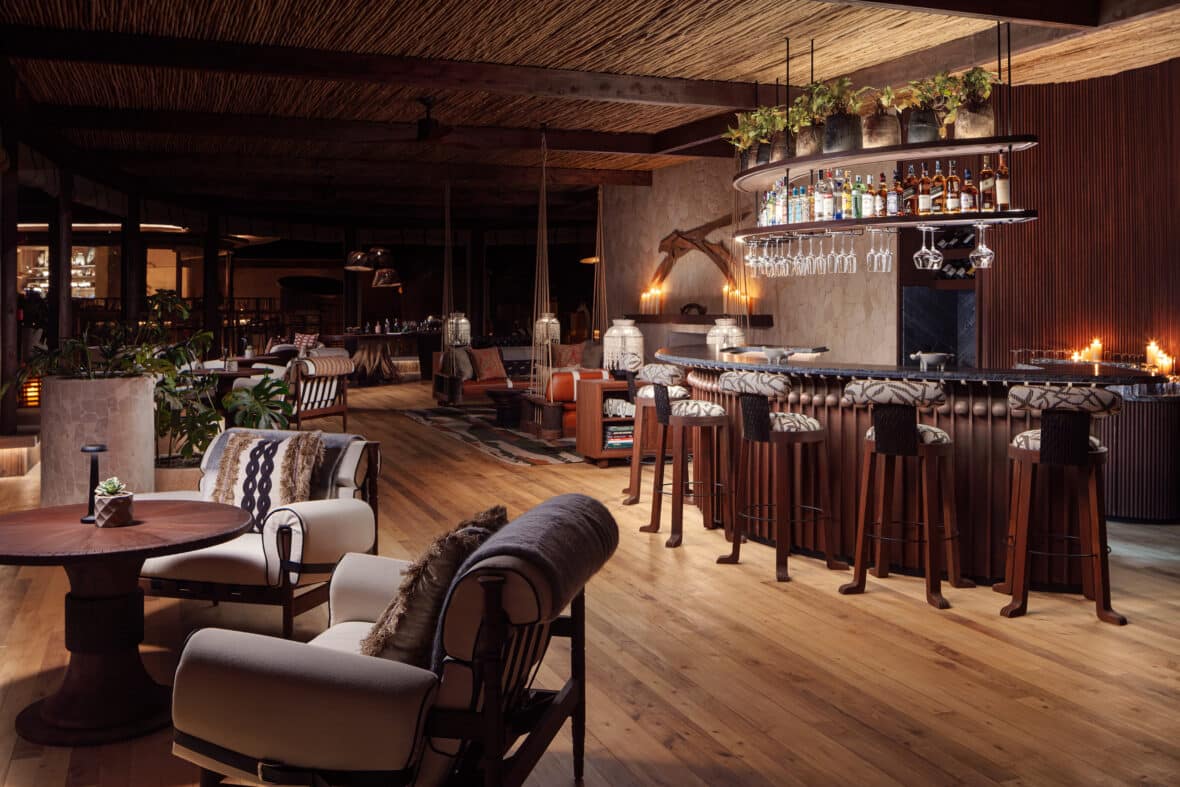
| Materials were intentionally selected for their tactile beauty and cultural relevance. The majority of the FF&E was manufactured locally in Kenya, showcasing the country’s exceptional craftsmanship and the growing capacity for high-quality production. Select pieces were crafted in partnership with Nairobi Timber, a local joinery firm known for its generational expertise. The emphasis throughout remained on local fabrication and skilled handling by Kenyan artisans. |
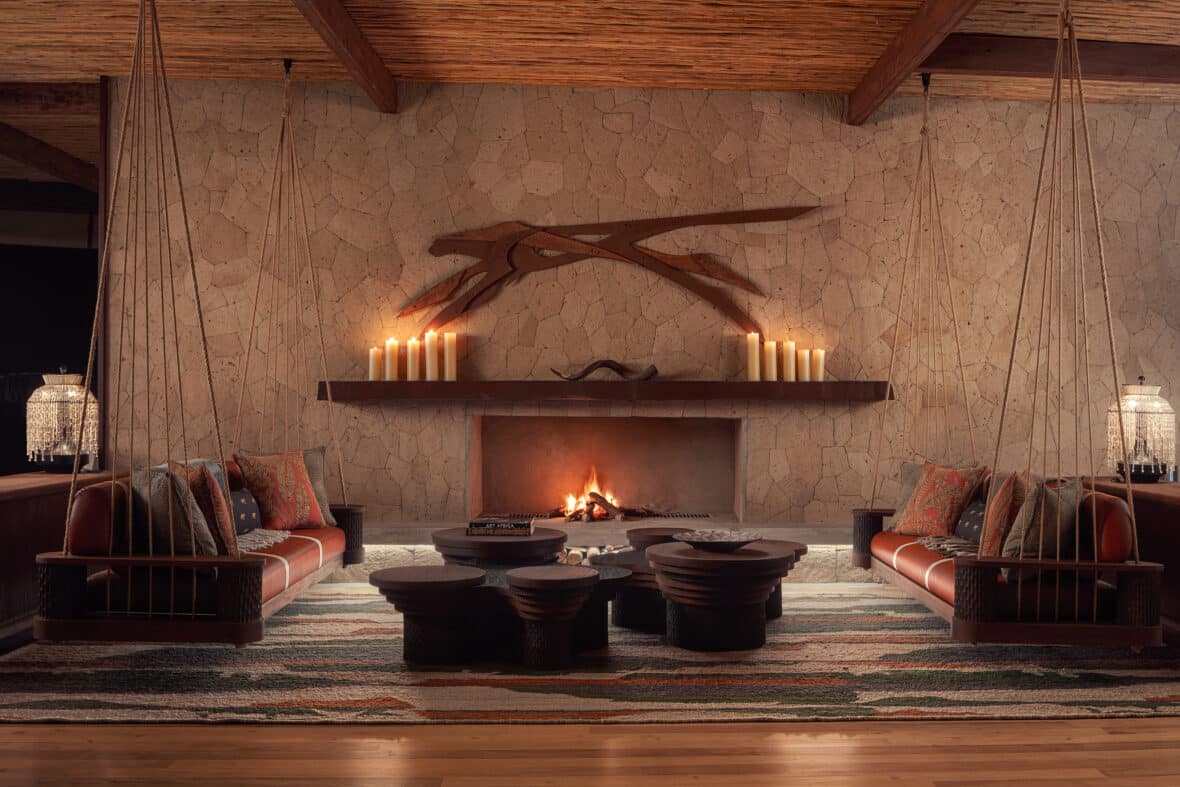
| Semi-volcanic stone, quarried near Narok Town, was sourced through the project’s contractor, Highmark. This material grounds the architecture in the raw textures of the surrounding land. Natural handwoven rugs and upholstery fabrics from Siafu Home – a Nairobi-based social enterprise – add warmth, authenticity, and story. Each textile is hand-loomed by local women, providing not just income but a means of supporting their families and communities. The canvas structures were engineered with precision to allow each suite to open entirely to the wilderness, creating an immersive connection to the surrounding landscape. Maasai beadwork, carefully integrated into joinery detailing, adds a layer of symbolic artistry, rooting the camp in culture. This beadwork also appears throughout the camp’s operational elements, adorned on glassware and minibar items, handmade by the local community, further embedding craft and tradition into the everyday guest experience. |
| Art and Craft: A Celebration of Place |
| The most iconic and striking piece is the large-scale metal sculpture in the Map Room, illustrating the historic migration in a way that is both authentic and deeply poetic. Created by renowned artist Simon Bannister, the sculpture layers oxidised steel to represent the rugged landforms and uses mirror-polished stainless steel to trace the life-giving rivers. |
| Though originally from New Zealand, Bannister’s artistic philosophy has been shaped by years of travel through the African bush, especially Kenya. His deep reverence for nature, wildlife, and geological form is reflected in his own words: “To see with a bird’s eye is to see the art of the earth and see our wildness.” His pieces are more than geographic interpretations; they are mythological guardians of nature. Bannister also created the dynamic cheetah sculptures, captured mid-sprint above the fireplaces, symbols of power, elegance, and native resilience. |
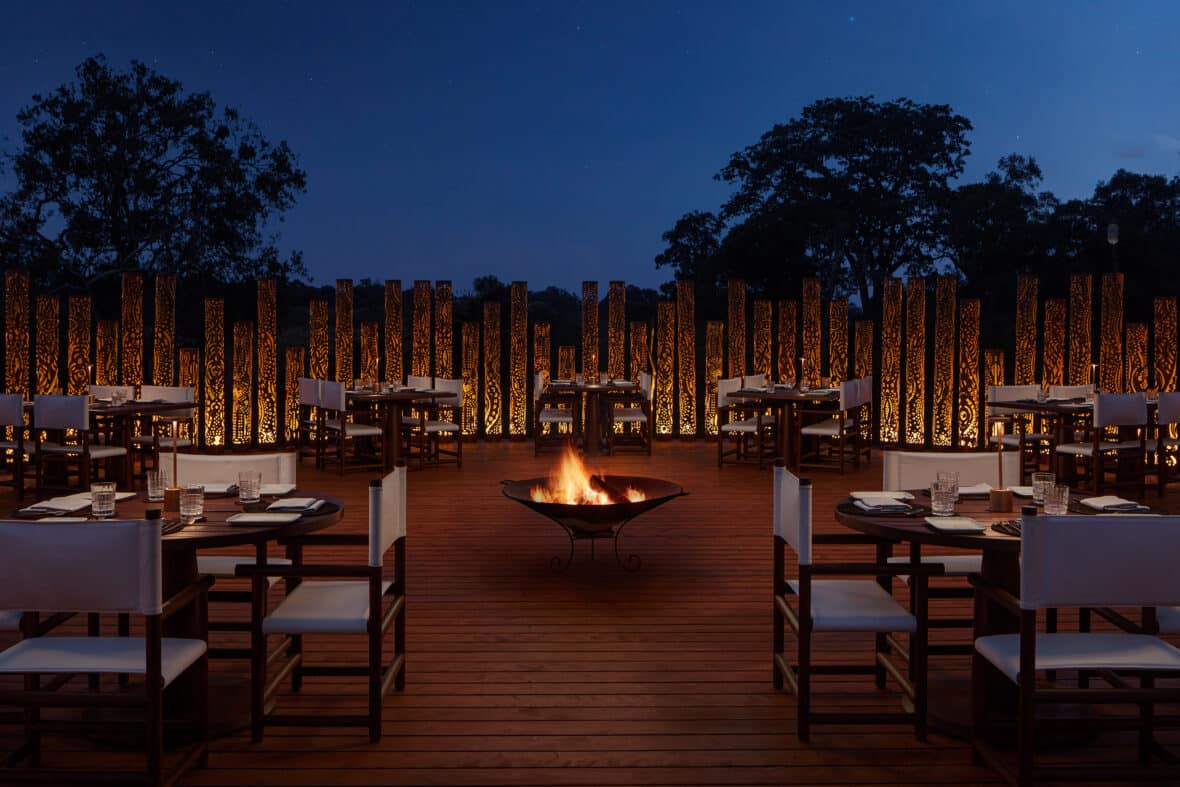
| In the restaurant, dramatic portraits of local women by Gian Paolo Tomasi, a Malindi-based artist, guide guests toward two signature dining experiences: the wine cellar and Upeo, the sky deck. His photographs elevate the everyday into timeless art, honoring the grace and strength of the women of Kenya. Complementing these works are a series of striking portraits by Ugandan-born artist Ibrahim Muwanga, whose expressive style brings contemporary warmth and intimacy to the interiors. His work, created especially for the camp, offers a personal, soulful counterpoint to the more documentary-style pieces, adding richness and emotional depth to the guest experience. |
| Across the public areas, vintage photographs by Carol Beckwith and Angela Fisher document age-old Maasai rituals and ceremonies. With over 45 years of work across 40 African countries and more than 150 ethnic groups, their photography captures symbolic cultural moments. Their images are not only visually rich but historically vital, anchoring the camp in the ancestral wisdom of this land. |
| Every detail has been considered, including the accessories and decorative objects that have been sourced from local Maasai markets and artisanal boutiques across Kenya. These handcrafted pieces bring a tactile, grounded layer to the interiors, reflecting the textures, materials, and symbolism of the region. They aren’t just beautiful, they are meaningful. |
| Sustainable Foundations: Locally Built, Thoughtfully Designed |
| The camp’s design incorporates elevated structures with timber decking to allow wildlife to move freely beneath, while supporting natural vegetation regeneration, and preserving soil health. Mature trees were retained where possible to protect biodiversity and maintain existing shade and microclimates. |
| Construction was led by Highmark, a company that proudly employs a 100% Kenyan workforce, with around 70% of team members drawn from the immediate surrounding communities. Every worker undergoes hands-on training focused on fine craftsmanship and technical skill, building not only world-class structures but also long-term livelihoods. They prioritised low-impact, labour-intensive construction techniques over the use of heavy machinery, significantly reducing disruption to the land. Activities such as excavation, concrete mixing, material transportation, and finishing were carried out manually whenever possible, preserving the integrity of the site. |
| Foundations were hand-dug using a pier method to lower impact and avoid disturbing tree root systems. The swimming pools were constructed by hand by local teams, allowing for easy transport and installation without the need for heavy equipment. Waste materials were backhauled to Nairobi using returning supply trucks to avoid additional environmental burden. |
| A Safari Experience where time stands still. |
| What sets The Ritz-Carlton, Masai Mara Safari Camp apart is its ability to offer world-class luxury without compromising the soul of the Mara. The camp is designed not only as a sanctuary for its guests, but as a tribute to the land, and culture, that make this region one of the most revered on the planet. From the serene, elevated suites to the layered textures of locally made interiors, every design choice invites guests to slow down, breathe deeply, and connect. This is not simply a place to stay, it is a space to feel, to witness, and to remember. The Ritz-Carlton, Masai Mara Safari Camp is a destination where every detail, every crafted element, invites guests into the very heart of nature – quietly, respectfully, and profoundly. |