

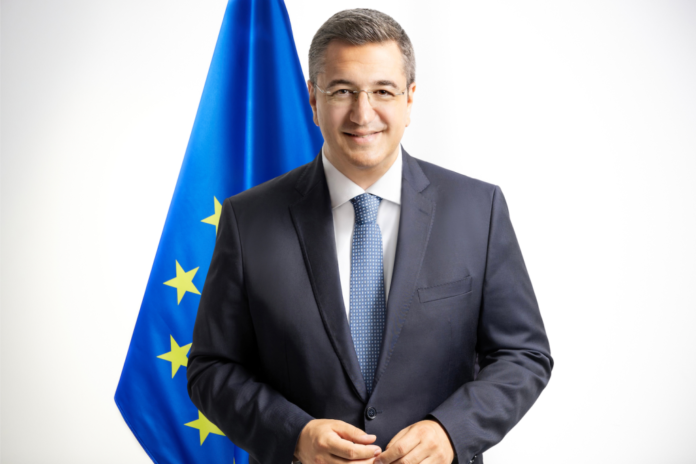
European Commissioner for Sustainable Tourism and Tourism Apostolos Tzitzikostas has pledged to boost sustainable tourism in Europe and to end mass tourism/overtourism damaging areas of the continent.
Addressing ITB Berlin, this week, Mr Tzitzikostas said sustainability is central to the EU’s tourism policy and warned that overtourism risks damaging Europe’s tourism competitiveness on a global scale.
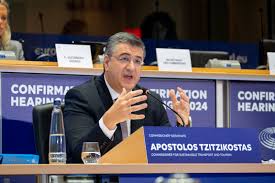
In his address, the Commissioner said: “Extreme weather is already affecting destinations across Europe. Coastal and mountain regions are particularly exposed, from rising sea levels to biodiversity loss. Tourism depends on a healthy, safe and attractive environment. Without it, there is no tourism. Sustainability therefore sits at the heart of our strategy. We will focus on reducing greenhouse gas emissions in tourism, managing resources wisely and promoting balanced regional development. We must reduce tourism’s environmental footprint and strengthen destination resilience.”
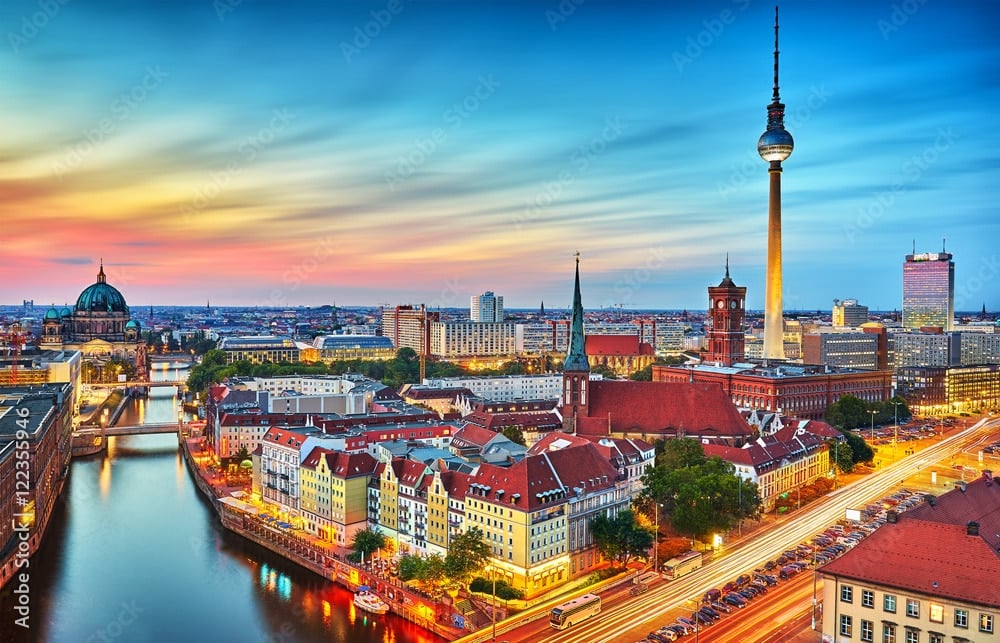
He used Berlin as a strong example of how tourism can embrace sustainable practices for the better.
“The city has embedded sustainability at the core of its tourism development,” Mr Tzitzikostas said. “With vast green spaces and efficient public transport — including solar-powered ferries and buses — Berlin shows that environmental responsibility and visitor appeal can go hand in hand.
“At EU level, we are acting as well. Through the Sustainable Transport Investment Plan, we aim to unlock investments and scale up renewable and low-carbon fuels, particularly in aviation and waterborne transport. In the short term, this will mobilise at least 2.9 billion euro from EU programmes. We are also expanding high-speed rail and removing cross-border bottlenecks. High-speed rail should become the backbone of sustainable travel in Europe — less time travelling, more time experiencing. By better linking high-speed services with regional and local networks, we can open up hidden gems and lesser-known destinations, spreading tourism’s benefits more widely. We are also prioritising stronger air-to-rail connectivity.”
“By 2026, we aim to identify investment needs in 40 leading European airports to significantly improve integration with long-distance rail networks. And we must make multimodal travel easier to plan and book. Today, too many travellers struggle to combine different operators and transport modes, especially in rail.
“So later this year, we will propose legislation to improve cross-border rail ticketing and booking systems. We have also strengthened traveller protection through the updated Package Travel Directive, incorporating lessons from the Thomas Cook bankruptcy and the COVID-19 crisis.”
This, he said, will ensure the following:
– Full refunds within 14 days for extraordinary cancellations
– Optional and transferable vouchers
– A broader definition of “packages”, closing loopholes
– Stronger insolvency protection
The Commissioner has also promised new benefits for visa-free travellers: namely, the streamlining of border procedures, making checks faster and more efficient while strengthening security screening before arrival.
“To reinforce Europe’s attractiveness for business travel, we are exploring common policies for verified companies and low-risk travellers, secure digital visa processes and new rules for extended short stays beyond the current 90-day limit for specific professional groups,” he said.
On the subject of mass tourism and overtourism, Mr Tzitzikostas said the EU – later this year – will present guidelines to help destinations manage tourism flows more effectively.
“Tourism brings immense economic and social benefits. But success carries responsibility. Large inflows can strain infrastructure, transport systems and natural resources. They can drive housing prices up and push residents out. This leads to frustration, social tension and a diminished experience for visitors. If unmanaged, overtourism risks undermining tourism’s long-term competitiveness — and its social licence to operate,” he told delegates.
“Local communities are the living heart of Europe’s tourism offer. They must be respected, involved and protected. Managing growth sustainably means shifting from volume to value, prioritising quality experiences that enrich visitors while safeguarding destinations. I therefore encourage travel companies to diversify, personalise and add value for visitors and for locals alike. In the long run, quality wins. At the same time, while some destinations struggle with excess demand, others struggle to attract visitors at all. Achieving balance will be essential.”
The Commissioner said a planned Common European Data Space for Tourism will:
– Improve visitor flow management
– Strengthen sustainability and resilience
– Boost competitiveness while respecting communities and heritage