

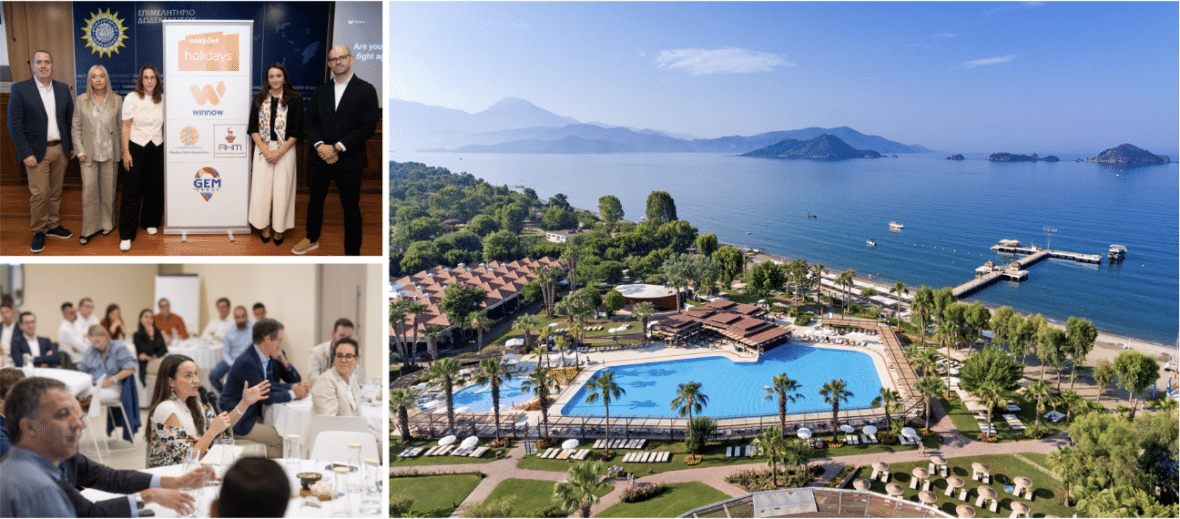
Package holiday provider EasyJet Holidays and Winnow, an AI-powered food waste prevention company, in collaboration with UN Tourism, have launched A Practical Guide to Reducing Food Waste in Resorts – a new white paper designed to help resort operators translate sustainability ambition into measurable operational impact.
The guide was informed by workshops held in Mallorca and Rhodes, where resort operators, government representatives and sector experts came together to share operational challenges and develop practical solutions.
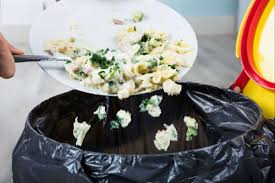
The foodservice sector accounts for 28% of global food waste (UNEP), with resorts – particularly all-inclusive and buffet-style operations – leaving a significant footprint.
Regulation is also accelerating. The EU has set a binding target to reduce food waste by 30% by 2030, while Spain’s Ley 1/2025 requires structured Food Waste Prevention Plans and progress toward a 50% reduction by 2030. For resorts operating in Europe, food waste management is increasingly linked to competitiveness and compliance.
Yet new survey findings reveal a significant measurement gap. A survey of 140+ easyJet holidays’ hotel partners found that:
- 70% underestimated their food waste levels
- 17% felt unable to estimate them
- 40% are not measuring food waste
- 48% rely on manual tracking
The findings suggest that many operators lack clear visibility of their food waste – underlining the importance of more consistent measurement across the sector.
The scale of the opportunity
Resorts operate at significant scale, often serving high volumes across buffet and all-inclusive formats designed to deliver variety and flexibility for guests.
Data from resorts at baseline reveals that these formats waste an average of 191g of food per cover – nearly half a plate per guest, per meal (Winnow). Much of this food waste is linked to forecasting, production planning and preparation processes, where improved measurement can drive rapid gains.
The Business Case for Waste Prevention
The white paper highlights that in the all-inclusive sector, food cost is a critical performance driver, typically accounting for 8% to 13% of total revenue. With such high volumes, even marginal inefficiencies represent a significant leak in profitability. Yet on average, resort kitchens waste 12% of all food purchased. To put this in perspective:
- For a 250-Key Resort with a $3.5M food spend, $420,000 is lost annually.
- For a 750-Key 5-Star Resort with a dozen restaurants and a $13.5M food spend, that loss reaches a staggering $1.6M.
Implementing waste prevention technology is proven to cut these costs in half. For owners and asset managers, these savings translate directly into Gross Operating Profit (GOP), materially improving operating margins and enhancing the long-term value of the asset.
Learning from industry frontrunners
The white paper features a case study on Iberostar Hotels & Resorts. Operating more than 100 hotels across 14 countries, the group has reduced organic waste sent to landfill by over 80% from 2021 to 2024 through dedicated teams (250+ professionals) and the use of Winnow’s AI tools in more than 60 hotels.
Examples from H10 Hotels and Mitsis further show that structured measurement, kitchen engagement and clear KPIs can drive significant reductions while maintaining guest experience – creating a replicable blueprint for the wider sector.
A practical roadmap for resorts
The white paper sets out a structured Food Waste Prevention Plan aligned with the internationally recognised food waste hierarchy – now embedded in EU policy – which prioritises prevention and reuse as the most effective and value-creating actions.
Designed to support both compliance and performance improvement, the guide provides practical steps, case studies and measurable benchmarks that resorts can apply within their own operations.
Matt Callaghan, Chief Operating Officer at EasyJet Holidays, said: “As a sector, we have a responsibility to protect the destinations that make our holidays so special. Reducing food waste is one of the fastest and most practical ways hotels can cut emissions while strengthening their operations.
“Through our partnership with Winnow, we’re giving hotel partners the data, tools and expertise they need to understand where waste occurs and how to reduce it. With better measurement and simple operational changes, resorts can make meaningful reductions in food waste across the sector.”
Marc Zornes, Founder & CEO of Winnow, said:
“Resorts operate some of the most complex and dynamic food environments in hospitality. The leaders featured in this guide show that with the right data and operational focus, food waste can be significantly reduced while maintaining exceptional guest experiences. By sharing their playbooks, we hope to accelerate progress across the sector.”
H.E. Ms Shaikha N. Alnuwais, Secretary-General at UN Tourism, added: “Food lies at the heart of the guest experience, yet the way it is produced, served and discarded carries significant environmental and economic consequences. Reducing food waste is therefore not a marginal sustainability effort. It is one of the most immediate opportunities for tourism to strengthen resilience, improve efficiency and contribute to climate action.”
A Practical Guide to Reducing Food Waste in Resorts is available to download here.