

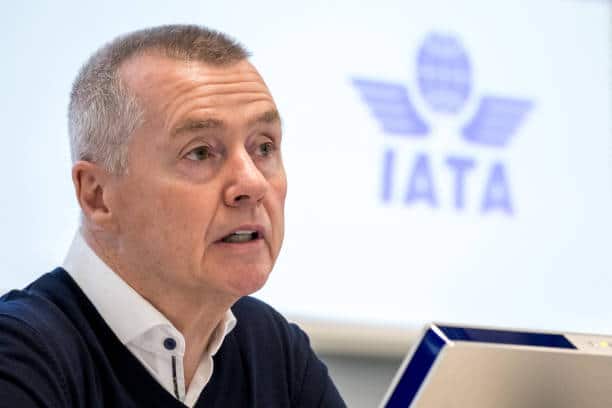
The head of global aviation lobby and representative group, the International Air Transport Association (IATA) has said the industry is not making enough progress on the transition to greener sustainable aviation fuel (SAF), and previous estimates for its growth are too ambitious.
Willie Walsh was addressing delegates at the Changi Aviation Summit in Singapore.
Regarding sustainability and the race to decarbonisation, Mr Walsh said: “I would like to commend the work done by ICAO [International Civil Aviation Organisation] in this region, where they have been able to successfully harness the ambition of governments all around the world to align on a long-term ambition of achieving net zero by 2050. I think it’s incumbent on all of us to continue to support CORSIA [Carbon Offsetting and Reduction Scheme for International Aviation] as the single market-based carbon offsetting mechanism to address CO2 from international aviation.
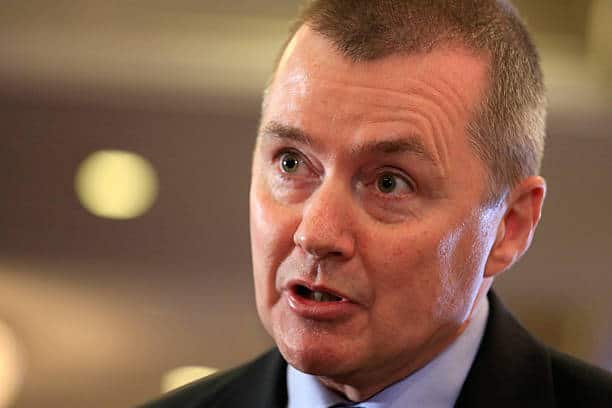

“We estimate based on current prices for eligible units under CORSIA, the airline industry will face additional costs of about USD 60 billion up to 2035 to comply with our obligations under CORSIA. So it’s important to recognize that there is significant finances available for the world through the CORSIA agreement, and we believe that governments should continue to support this initiative and take advantage of the opportunities that can be provided through this additional financing.
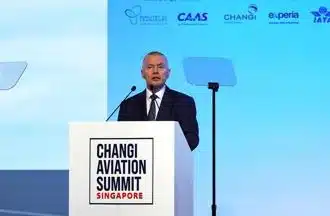
“Unfortunately, we’re not making sufficient progress on sustainable aviation fuel (SAF). SAF output reached 1.9 million tons in 2025, representing just 0.6% of total jet fuel consumption. And this is a downward revision from our earlier estimates. Unfortunately, planned production has faltered. Mandates have pushed prices higher, which have just discouraged voluntary demand and reduced output. SAF prices exceed fossil-based jet prices by a factor of more than two, while the evidence shows that in markets with mandates, that factor can increase to four times,” he said.