
In a world that never stops moving, there is an almost radical pleasure in getting as far away as possible. Remote luxury hotels, those that feel like they exist on the edge of the map, rather than the center of it, offer more than exclusivity. They promise immersion: in landscape, in silence, and in the slow, deliberate rhythms of life far from the bustle of cities. From windswept deserts to jagged cliffs, these properties define what it means to be luxuriously off-grid.
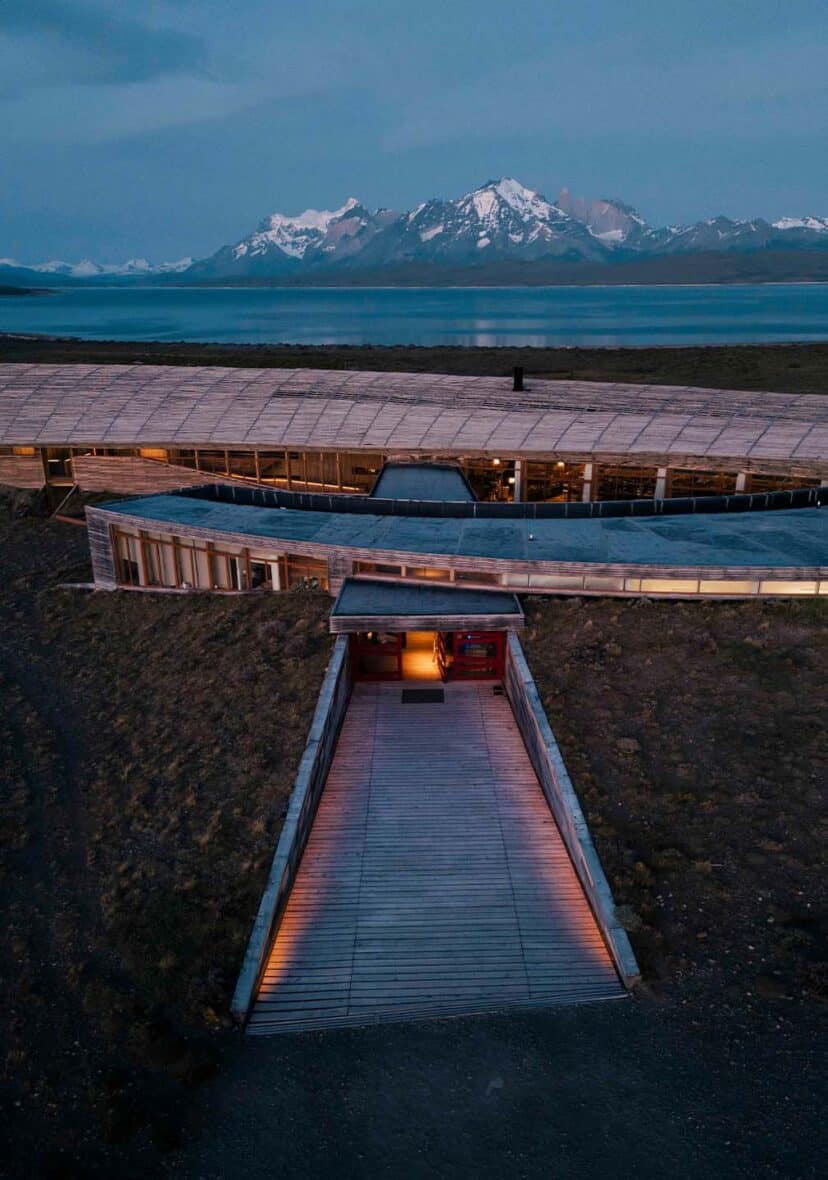
In Patagonia, Chile, Tierra Patagonia occupies a vantage point so dramatic it borders on cinematic. Set against the jagged peaks of the Torres del Paine National Park, the hotel is a study in architectural discretion: low-slung buildings of wood and stone seem to rise organically from the ground, while floor-to-ceiling windows frame landscapes that change hour by hour with the light. Guests can hike across glaciers, ride horseback through grasslands, or simply linger on the deck with a glass of Chilean wine, letting the wind and the vistas remind them how small, and privileged, they are. Here, isolation is a luxury, and nature the ultimate amenity.
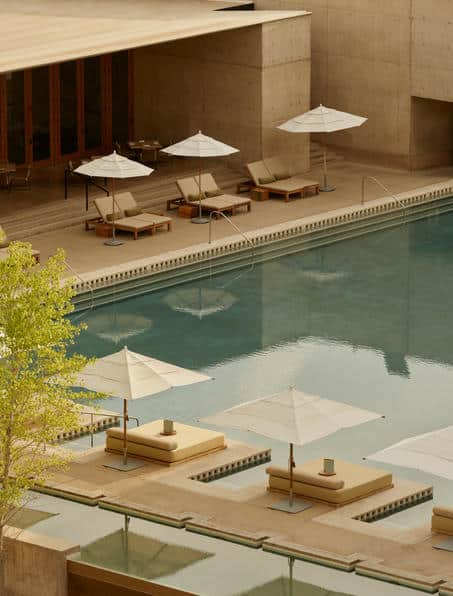
Thousands of miles away in the American Southwest, Amangiri in Utah embodies a different kind of desert seclusion. This architectural masterpiece, set amid ochre canyons and sandstone cliffs, is minimalism turned meditative. The interiors, with their earthy palette and refined restraint, mirror the surrounding desert. Days here are measured by the sun’s arc across the canyon walls, the sound of wind brushing rock, and the occasional visit from a local guide who can lead you to hidden slot canyons or secluded rock formations. Evenings are for private stargazing on the terrace, where the desert sky feels impossibly vast, unpolluted, and eternal.
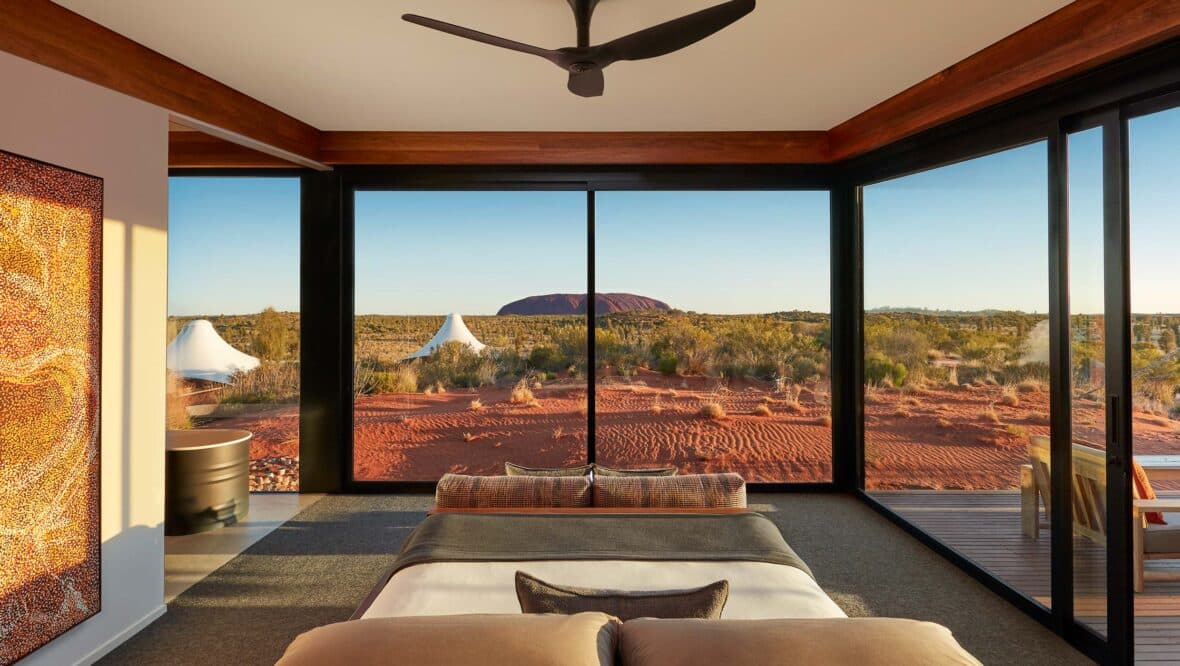
On the opposite side of the globe, Longitude 131° in Australia offers a front-row seat to the continent’s spiritual heart: Uluru. The luxury tents are set in unobtrusive lines that respect the sacred landscape, each with a private viewing deck for the monolithic rock that glows crimson at sunrise. Guests move at a slow pace, partaking in indigenous-led experiences, guided walks, and fine dining under the vast Outback sky. Here, remoteness is not just physical but cultural, offering a rare immersion into a landscape that has captivated humans for millennia.
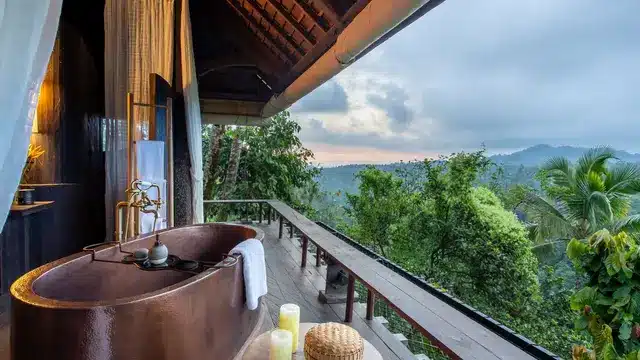
In Bali, the Banyan Tree Escape redefines tropical seclusion. Set on cliffs above the Indian Ocean or tucked into lush jungle valleys, each villa feels self-contained, with infinity pools, open-air baths, and attentive service that never intrudes. Bali’s cultural richness is woven into the experience, with yoga sessions, spa rituals using locally sourced ingredients, and curated excursions into rice terraces and hidden temples. The world feels a little smaller here, but your private sanctuary feels infinite.
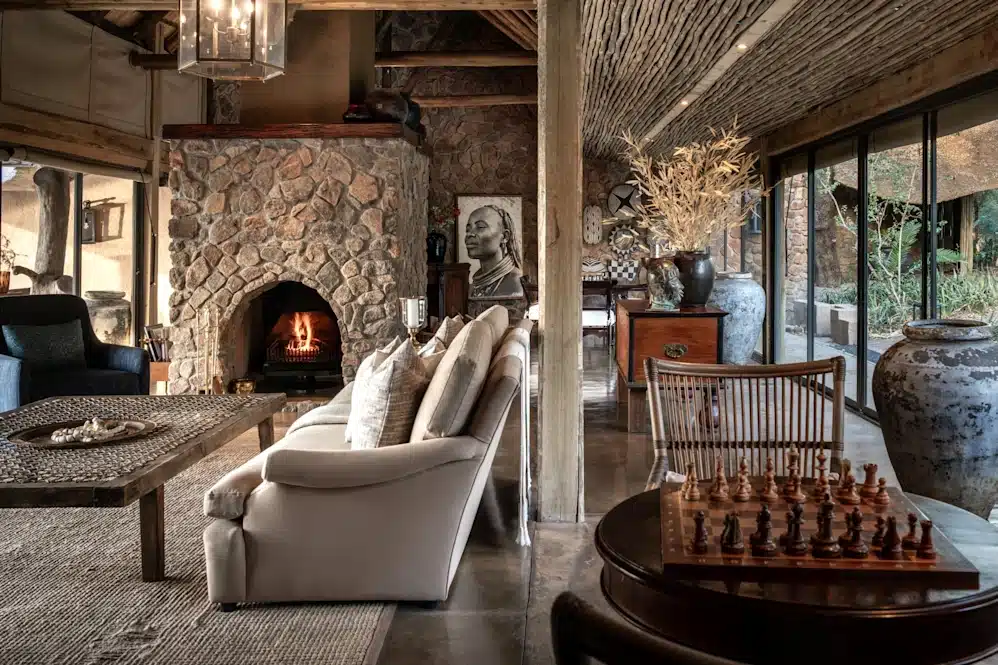
Finally, in South Africa, Singita lodges transport guests deep into the Sabi Sand and Grumeti Reserves, where wildlife rules the rhythm of life. Here, luxury is measured not in marble or gold, but in encounters with nature: a pride of lions lounging at dusk, elephants meandering across your view from the lodge deck, and the endless African night sky above. The lodges themselves are understated, elegant, and seamlessly integrated into their surroundings, making the natural world the star. Safari here is not about spectacle, but intimacy—the luxury of being present where few others tread.
What unites these remote hotels, across continents and climates, is a commitment to context. Each property is a lens through which its landscape is experienced, offering privacy, exceptional service, and a sense of being utterly apart from the ordinary. In a global era defined by hyper-connectivity, these escapes remind us that the greatest luxury is still disappearance: to stand on a windswept plateau, in a desert canyon, beneath a solitary rock monolith, or on a jungle cliff, and simply be.
For travellers willing to seek the edge of the map, these properties do more than offer comfort, they offer perspective, and a rare, indelible sense of place.