


Dublin has been ranked 4th in a new league table of the greenest and most environmentally-friendly city break destinations – with the capital only lagging the Nordic giants of Helsinki, Stockholm and Copenhagen in the list.
The study, by InsureMyTrip, standardised the latest available data for each city across ecotourism and destination sustainability metrics to help travellers make an informed decision.

In all, Europe dominates the top 10, with 8 entries. Dublin outranks the likes of Sydney, Melbourne, Berlin and Barcelona in the list.

Topping the list as the best global city overall is Helsinki, Finland (7.4/10): city of saunas, sea views, and serious sustainability.
It may come as no surprise for residents of Helsinki to see their city ranked number one for sustainability as it isn’t just a buzzword for them – it’s a way of life.

Within the study, the city ranked the highest for green space quality (86%) and walkability, with basic amenities accessible within 13 minutes on foot. The Finnish capital also boasts a strong ecotourism offering including 118 walking tours and nearly 1 in 5 hotels are green-certified (17%).
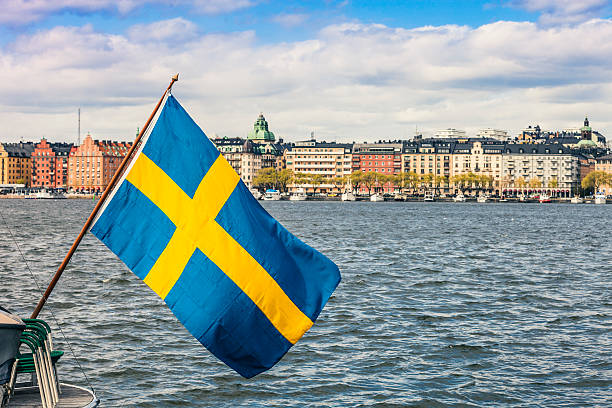
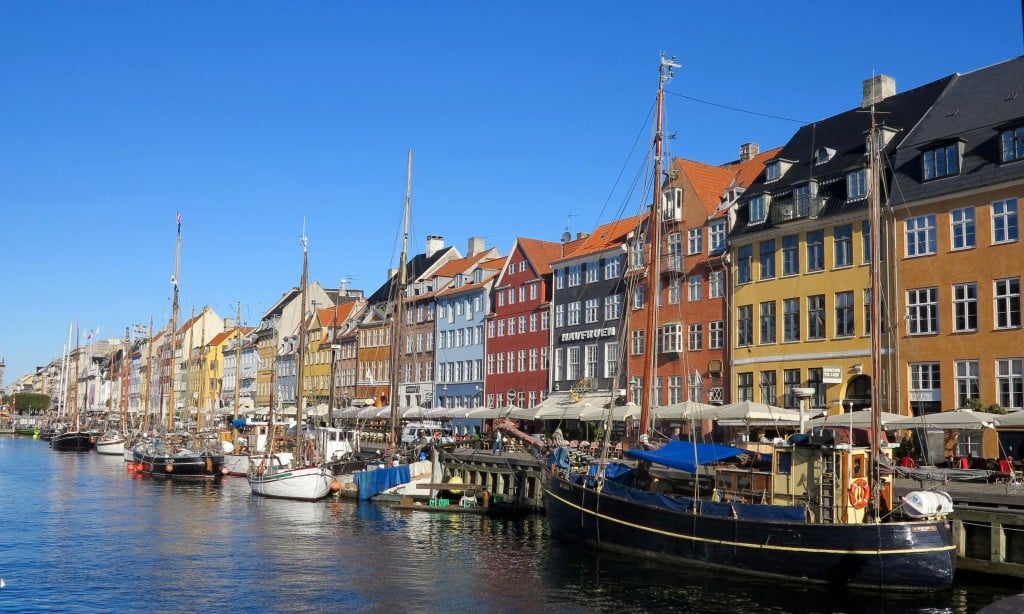
Stockholm, Sweden (7.3/10), and Copenhagen, Denmark (7/10), follow closely in second and third, with both cities performing exceptionally well across ecotourism and sustainability metrics. In Stockholm, 21 percent of hotels are green-certified while green spaces in the city are rated 85 percent. Copenhagen has short walking distance to basic amenities (7 minutes) and a high number of green-certified hotels (21%). However, the average cost of these hotels ($197) is slightly more expensive than those in Stockholm and Helsinki, which contributes to its slightly lower ranking.


Notably, while cities like Dublin (6.5/10) and Berlin (6.1/10) offer extensive walking tours – 274 and 438 respectively – they were edged out due to higher pollution levels (6.6 and 10.8) and lower number of certified-green hotels (13% and 18%).
Cities such as Sydney (6.2/10) and Melbourne (6.1/10), despite their appeal as lifestyle destinations, scored lower overall due to higher-than-average carbon emissions per capita (11.7 and 13.9 tons of CO₂, respectively) and minimal green hotel representation (5%). These findings suggest that while Australia’s major cities are rich in outdoor experiences, they face challenges in reducing emissions and implementing sustainable accommodations at scale.
The study also investigated the most sustainable cities in the United States. San Jose – often overshadowed by its Bay Area neighbours – scored highest overall (6.9/10) among the cities analyzed.
With 15% of its hotels certified as eco-friendly, low pollution (4.9), and one of the lowest average walking times to amenities (19 minutes), San Jose presents a compelling case for travelers seeking a greener domestic destination.
Portland, Oregon, long considered a sustainability pioneer, followed closely with an overall score of 6.7/10. The city excelled in green space quality (85%) and offers a respectable number of walking tours (63), though it was marked down due to a lower percentage of green-certified hotels (7%) and higher average hotel costs ($203/night).
Boston ranked third (6.4/10), boasting the highest number of walking tours (186) — making it an ideal choice for visitors hoping to explore by foot. It also ties San Jose with 15% of hotels with a green certificate, though its overall sustainability score is held back by high carbon emissions (19 tons of CO₂ per capita) and expensive hotel prices ($322 average per night).
Raleigh, North Carolina and Las Vegas completes the top five cities in the United States for sustainability, scoring 6.3 jointly.
Sara Boisvert, Marketing Manager at InsureMyTrip commented:
“As eco-friendly travel becomes a top priority for more travelers, this study serves as a powerful time-saver, turning hours of sustainability research into a ready-made guide for greener getaways.”