
The Irish Tourism Industry Confederation (ITIC) has urged the Government to urgently implement the tourism-related measures laid out in the Programme for Government – including a return to a 9% VAT rate and PRSI tax reform – in the wake of the global economic and social uncertainty brought about by US President Donald Trump’s swathe of tariffs.
In terms of Gross Value Added, tourism is Ireland’s most valuable indigenous industry, worth €13.5bn last year; ahead of construction (€12.4bn) and agrifood (€12.3bn).
Recent CSO figures showed inbound tourism numbers, and tourist spend were down by over 30% in each of the first two months of this year.
ITIC said: “The recent global economic shock caused by President Trump’s tariffs has caused significant uncertainty to Ireland’s export industries and FDI model. Whether there is a negotiated settlement between the EU and US or retaliatory tariffs are imposed in an escalating trade war, there is increasing nervousness about the coming months. The Irish tourism sector, although not subject to tariffs, will be impacted as the American economy struggles to adjust with dollar fluctuations and stock market volatility likely to affect travel decisions by US consumers.”
“The Irish Government, like many others, will be anxious to minimise the fallout from this new economic environment. To that end there is a strong argument for a renewed focus and attention on indigenous Irish industries – nurturing them, bolstering their competitiveness, and ensuring that policies are in place to support them during these challenging times. Ireland’s tourism and hospitality sector has long been known as the country’s largest indigenous industry and biggest regional employer.
“Indigenous industries, which are predominately made up of SMEs, have arguably become more important to the Irish economic model now that new tariffs risk undermining our FDI success. Tourism has always been a very important component and driver of economic activity in Ireland. Its real significance is that of a major engine of employment at a regional level. The industry can provide jobs in parts of the country that other sectors can’t reach and is consequently an important driver of the balanced regional economic growth. The revenue generated by both domestic and foreign visitors during their trip contributes to both the balance of payments and national accounts data.
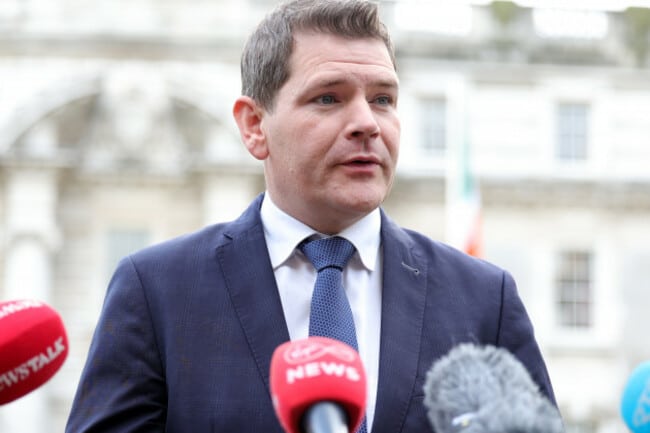
ITIC added: “Tourism has been rightly elevated by the new Government and Minister Peter Burke heads up a newly configured Department of Enterprise, Tourism and Employment. As we enter a period of intensive geo political and macroeconomic uncertainty, it is vital that tourism priorities within the Programme for Government are implemented urgently – these include the lifting of the Dublin Airport passenger cap, the restoration of the 9% VAT rate for hospitality, reform of Employer’s PRSI taxes and an SME stress-test for any new labour legislation.
“Fáilte Ireland data shows that for every €1 million of tourist expenditure helps to support 22 employees in tourism industries. Tourism is too important to take for granted and all the available data from a variety of sources confirms this. Unlike other industries it can’t be outsourced, offshored or repatriated – it is here to stay and needs to be nurtured and supported.”